It was the only assembly of the Empire where real debate took place, and where Napoleon listened. The Civil Code was argued there article by article, in a hundred and two sessions, half of which he chaired.
Historical context
The Constitution of Year VIII created in December 1799 a Council of State charged with drafting bills and judging administrative disputes. Under the Consulate and Empire it sat in the Tuileries palace, close to the head of state's study — a proximity that says everything about its function: not a counterweight, but the government's workshop.
It gathered the best jurists of the day, former royalists and former Conventionnels mixed together: Portalis, Tronchet, Cambacérès, Roederer, Regnaud de Saint-Jean-d'Angély, Molé, Merlin de Douai. Recruitment went by competence, regardless of political past — one of the regime's clearest successes in reconciliation.
The Civil Code was discussed there article by article between 1801 and 1804, in a hundred and two sessions, more than half chaired by Napoleon. The minutes show a head of state intervening on adoption, divorce, filiation and paternal authority, sometimes brutally, often with common sense, and letting himself be contradicted by Portalis or Tronchet — something no other assembly could allow itself.
The Council survived every regime. It left the Tuileries after the fire and moved in 1875 to the Palais-Royal, where it still sits as supreme judge of the administration. Of the consular institutions it is the one that has best crossed the two centuries: the Civil Code has been rewritten, the germinal franc has gone, and the Council of State still judges.
Go further
Recommended books to dig deeper (affiliate links)
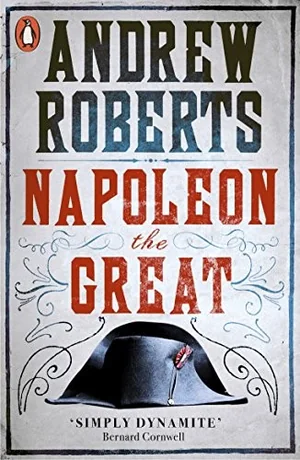
Napoleon the Great
Andrew Roberts · 2014
A monumental biography drawing on Napoleon’s 33,000 surviving letters, admiring but rigorous.
See on Amazon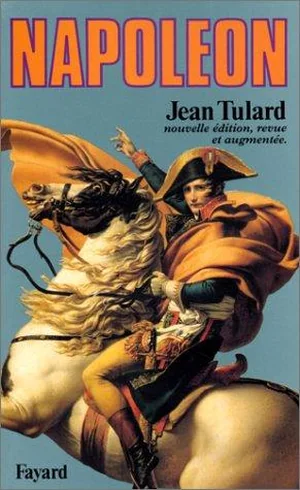
Napoléon ou le mythe du sauveur
Jean Tulard · 1977
The book that reshaped how the man is read: how France gave itself a saviour, and what it cost.
See on Amazon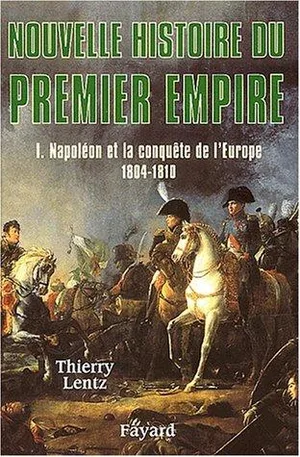
Nouvelle histoire du Premier Empire
Thierry Lentz · 2002-2010
Four reference volumes on institutions, diplomacy and collapse: the scholarly synthesis of the subject.
See on AmazonAs an Amazon Associate, this site earns from qualifying purchases.
Support the encyclopedia
Napoleon Empire is an independent project. Your contribution helps grow the content and keep the site running.
DonateSecure payment on the platform you choose.