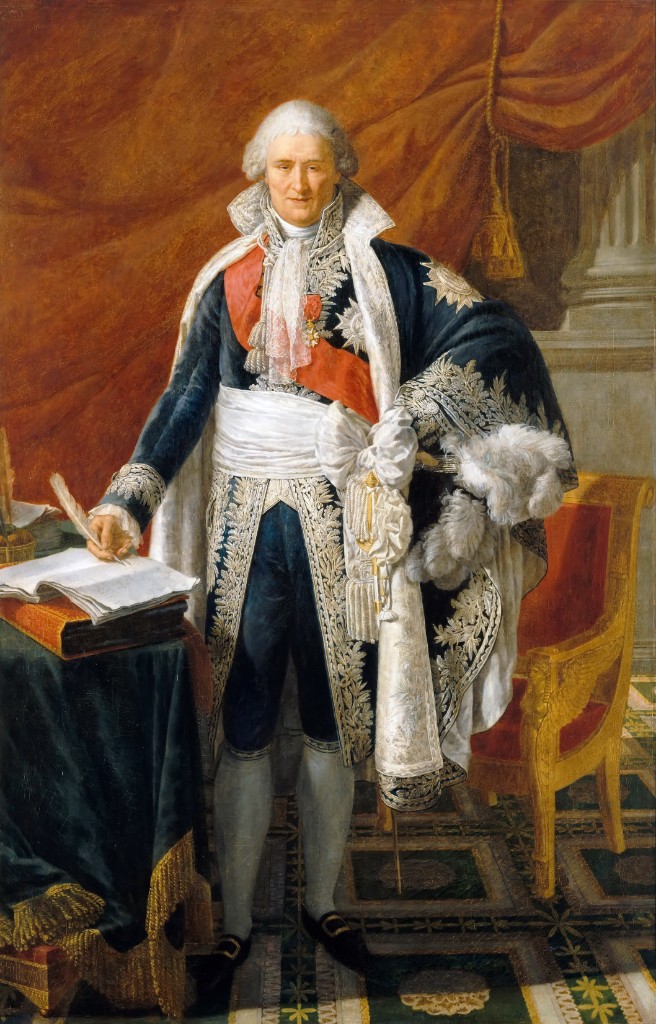
Jean-Étienne-Marie Portalis (1 April 1746 Le Beausset, Var-25 August 1807 Paris) embodied continuity of French law between reformed Ancien Régime and codified Empire: advocate at the Parlement of Provence then Aix-en-Provence bar, he published on Roman law, local law and southern custom before Estates-General drew him into crafting Revolutionary laws. Moderate, hostile to excesses of 1793, he alternated engagement and withdrawal to preserve juridical speech when Terror decimated corporatisms. Under the Directory he reappeared as man of texts: the Republic needed legal stability. Bonaparte, First Consul, named him to the commission for the Civil Code of the French: beside Cambacérès, Tronchet, Bigot de Préameneu, Maleville and other pens, Portalis often held doctrinal conscience — drafting the Preliminary Discourse presented to the Tribunate in 1801 and defending gradual law, readable, rooted in custom as much as abstract reason. Code promulgated in 1804 bore compromise marks between North and South, property and solidarity, state authority and legacy of 1789. Named Minister of Cults in 1804, Portalis supervised concrete application of Concordat of 1801: bishops’ oaths, endowments, parish framework, negotiations with Rome in tension peaking at coronation then Pius VII’s captivity — after his death. Exhausted by double legislative and pastoral charge of state, he died in Paris in 1807; Napoleon gave state funerals and had remains transferred to Panthéon in 1808 — rare honour for jurist. His son Joseph-Marie extended legislative tradition under various regimes. For Empire Napoléon Portalis is improbable link between silk robe and imperial uniform: he who fixed in writing civil rules France would apply well beyond borders conquered by armies.
Aix, the Bar, and Southern Legal Culture
Born 1 April 1746 at Le Beausset in the Var, Jean-Étienne-Marie Portalis followed training mixing classical humanities and legal apprenticeship in a province where Roman law was not textbook memory but daily language of pleaders. He pleaded at Parlement of Provence before Revolutionary suppression of sovereign courts: that experience taught slowness of procedures, weight of noble prejudices, need for written arguments able to survive passionate orality of hearings.
His early bibliography — treatises, consultations, memoirs on custom and written law — placed Portalis in eighteenth-century republic of jurists. He was neither drawing-room philosopher nor pamphleteer; he was man of commentary and distinction, familiar with royal ordinances and rulings clarifying or complicating contractors’ lives.
Mid he knew was not Paris of social-contract theorists: mosaic of statutes, local privileges, stubborn communities. That mental map would serve later when Civil Code commission had to merge divergent traditions into numbered articles.
Portalis cultivated political prudence of robe: loyalty to monarchy capable of reform, mistrust of ruptures burning archives. When 1789 cahiers circulated, he read both appeal to equality and risk of brutal abolition of procedural guarantees.
Aix networks — magistrates, advocates, robe nobility — formed soil where he built moral authority before institutional authority. His measured oratorical style avoided Jacobin declamation; he sought conviction through coherence of legal references.
For Empire Napoléon this Provençal base explains why Portalis would never be pure natural-law ideologue: he thought code as reasoned custom as much as geometry of rights.
Revolution, Moderation, and Return of Stable Law
Elected to Estates-General, Portalis sat among deputies who still believed in constitutional monarchy: when trajectory tipped toward Republic and Terror, he chose narrow margins — speak to limit legislative damage, withdraw when speech became mortal risk. His moderation did not mean complacency toward old order: it translated conviction justice without clear texts was tyranny of moods.
Hard years tested bar corporations: courts reorganised, laws succeeded, confiscations and redistributions of property. Portalis observed how hasty decrees created endless disputes; he drew lesson for future: every code must foresee delays, forms, remedies.
Under Directory his public reappearance coincided with general weariness toward legal instability. Brumaire coup men knew they would need pens not only generals’. Portalis embodied respectability of jurist who crossed 1789 without ideological mud.
His relation to Bonaparte born of that complementarity: First Consul wanted laws portable in conquered Europe; Portalis wanted laws not breaking French social fabric. Negotiation between imperial ambition and juridical prudence would be permanent.
Commission archives show back-and-forth between drafters: no single “father” of Code, but Portalis often carried argument of historical continuity against conceptual clean slate.
For Empire Napoléon this chapter fixes Portalis specificity: political survivor serving stability Revolution had promised then compromised.
Commission, Drafters, and Genesis of the Civil Code
Commission instituted under Consulate gathered complementary profiles: Cambacérès brought experience of earlier aborted or partial projects; Tronchet Northern gaze and Germanic customs; Bigot de Préameneu and Maleville legislative style finesse; Portalis concern for philosophical foundations and ease with southern tradition. Sessions mixed enthusiasm and fatigue: each article could reopen family quarrels between rationalism and historicism.
Portalis defended idea code was neither copy of foreign treatise nor blind compilation of royal ordinances: synthesis where legislative reason corrected abuses without denying deep usages. That stance structured debates on family, property, inheritance — domains Revolution had already engraved new principles.
Deadlines imposed by executive weighed: Napoleon wanted visible results to cement Consular legitimacy. Portalis recalled text badly printed or misunderstood by judges worth less than few months’ delay. That tension between political calendar and technical requirement crossed whole enterprise.
Outside consultations — magistrates, academics, sometimes notaries — enriched project without democratising in modern sense: elite process, but open to specialised critique.
When manuscript neared final form Portalis insisted need for public presentation of text’s overall sense: Preliminary Discourse would not be rhetorical ornament but compass for future interpreters.
Title page of original edition of Civil Code of the French materialised outcome of those work years: book Portalis helped make both state and civic.
The Preliminary Discourse and the Spirit of the Text
In 1801 Portalis presented to Tribunate Preliminary Discourse to Civil Code of French: foundational text explaining why law must be clear without simplistic, gradual without vague, rooted in custom without sacrificing principles. He refused mechanical codification copied from single imported model; he argued for principles adaptable to social transformations — opening later revisions would exploit.
Argument mixed history, philosophy and pragmatism: Portalis cited Rome without cult, evoked 1789 without religion. He sought balance between property — pillar of economic order — and family or succession solidarities inherited then remodelled by Revolution.
Parliamentary debates following presentation staged local resistances, surviving corporate interests, religious fears. Portalis often played learned mediator between power demands and deputies’ worries.
Napoleon followed discussions with intermittent attention: military glory occupied foreground, yet he knew empire without common civil frame remained fragile. Portalis supplied language of lasting legality.
Promulgation in 1804 under name Civil Code of French — then extensions and exports under other titles — inscribed text in European dimension Portalis would only partly imagine. His health declined during last phases of printing and distribution.
For Empire Napoléon Preliminary Discourse remains recommended hermeneutic key for whoever reads Code beyond letter of articles.
Concordat, Ministry of Cults, and Relations with Rome
Concordat of 1801, negotiated by Talleyrand and others with Holy See, reorganised French religious landscape after Revolutionary turmoil. Portalis became Minister of Cults in 1804: thankless portfolio managing both recognition of majority Catholic Church and legal frame of “recognised cults” in still stuttering state secularism.
He supervised bishops’ oaths, endowments, parish map, dealings with Rome in latent tension: Pius VII and Napoleon met at Notre-Dame coronation in ceremonial where political and theological intertwined. Portalis was not stage director of crowning gesture, but knew juridical implications for ecclesiastical authority.
Ultramontanes criticised compromises; heirs of dechristianisation despised any visible clergy restoration. Portalis held legal middle line: neither theocracy nor systematic persecution.
Years 1805-1807 saw imperial throne-papacy relations harden: conflicts leading to pope’s captivity after Portalis’s death. Minister of Cults would have prepared application texts surviving storms, even if spirit reinterpreted.
Administrative burden cumulated with Council of State functions exhausted body already tried by decades of political tension. Portalis worked as man of files as much as theorist.
For Empire Napoléon this segment tied Civil Code drafter to manager of religious fact: two faces of state wanting to frame public soul without possessing it wholly.
Death in State Service, Panthéon, and Legacy
Jean-Étienne-Marie Portalis died in Paris on 25 August 1807, exhausted by ministerial burden and ceaseless debate. Napoleon ordered state funerals: political gesture honouring jurist as pillar of civil legitimacy of nascent Empire. In 1808 transfer to Panthéon inscribed his name beside “great men” in century’s sense — exceptional honour for man of law.
His son Joseph-Marie Portalis pursued legislative and ministerial career under Restoration and beyond, prolonging dynasty of servants of rule of law. Code commentaries multiplied in nineteenth century; Preliminary Discourse reissued, sometimes criticised, always consulted.
Historiographic posterity shares Portalis between “craftsman of compromise” and “thinker of continuity”: some insist social limits of Code seen from twenty-first century; others stress procedural modernisation achieved in few years.
In French law teaching his name remains tied to birth of modern civil codification; in political culture he embodies possibility of state secularism compatible with concordat.
For Empire Napoléon cross-linked entries Portalis ties Napoleon, Cambacérès, Talleyrand, Sieyès, Chaptal and Pius VII: network of founding texts where coronation and paragraph answer each other.
In conclusion Portalis offers lesson of jurist who preferred slowness of written law to violence of orphan decrees: his work outlived his barely twenty years under Consulate and Empire.
Discover other characters
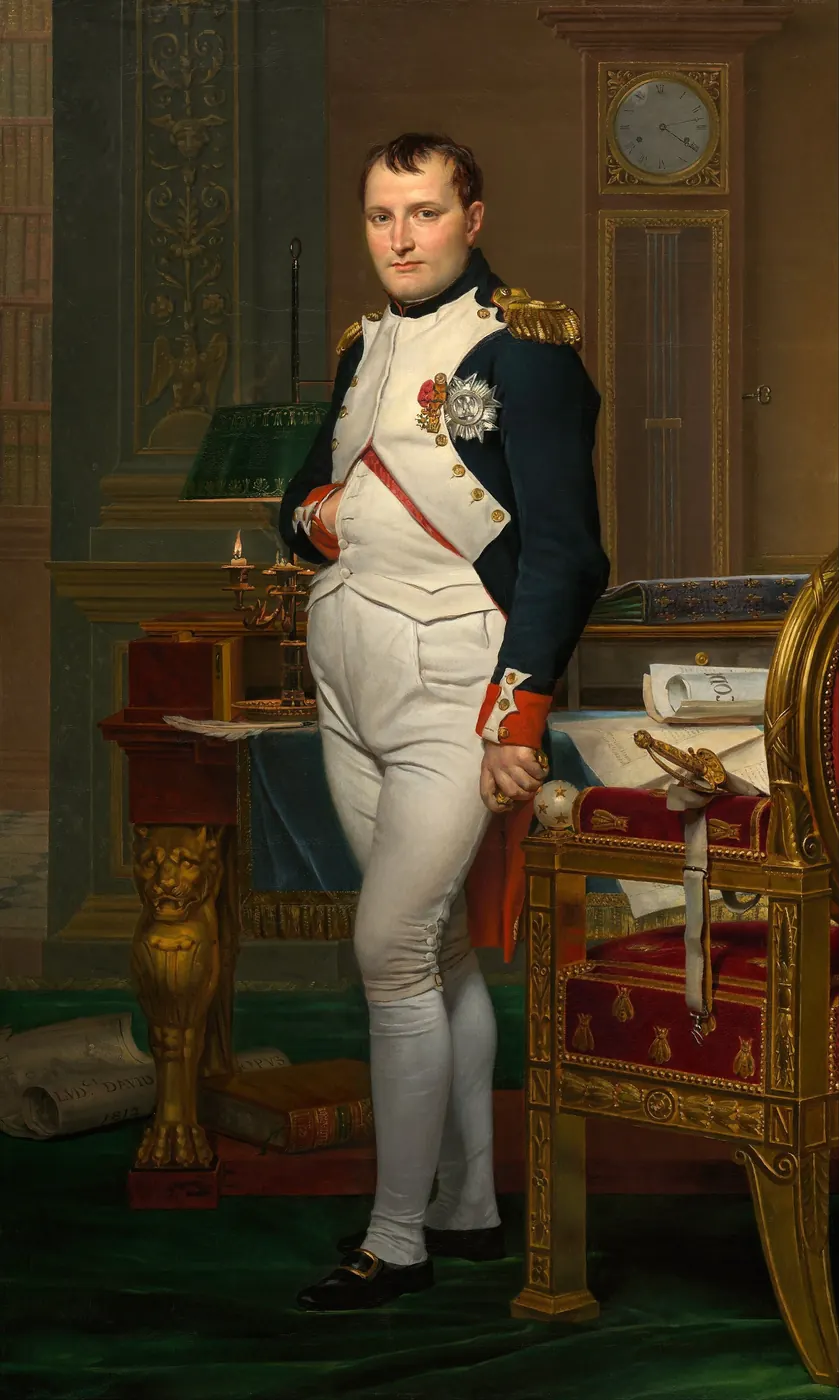
Napoleon Bonaparte
Emperor of the French
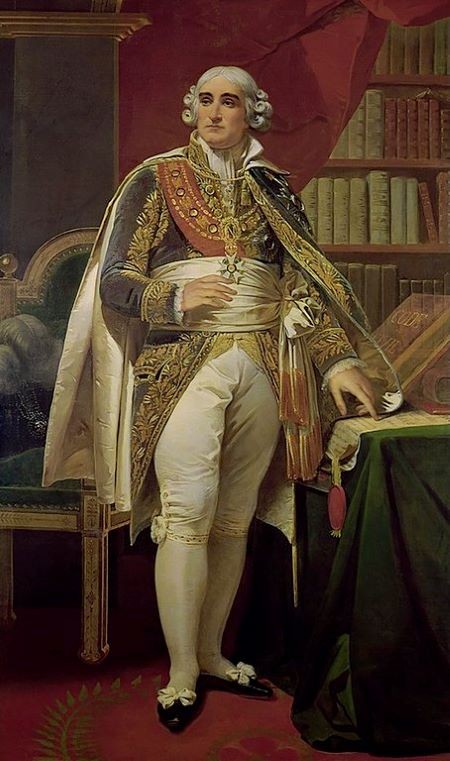
Jean-Jacques Régis de Cambacérès
Second Consul, Archchancellor of the Empire, principal architect of the Civil Code (1804)
Charles-Maurice de Talleyrand
Minister for Foreign Affairs, Prince of Benevento, diplomat
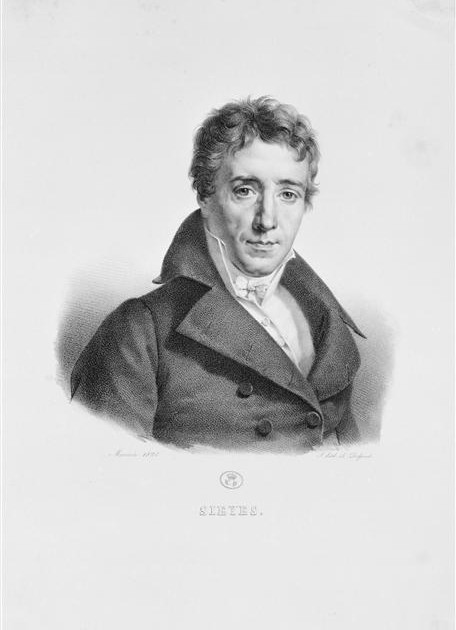
Emmanuel Joseph Sieyès
Political theorist, deputy, Director, Consul
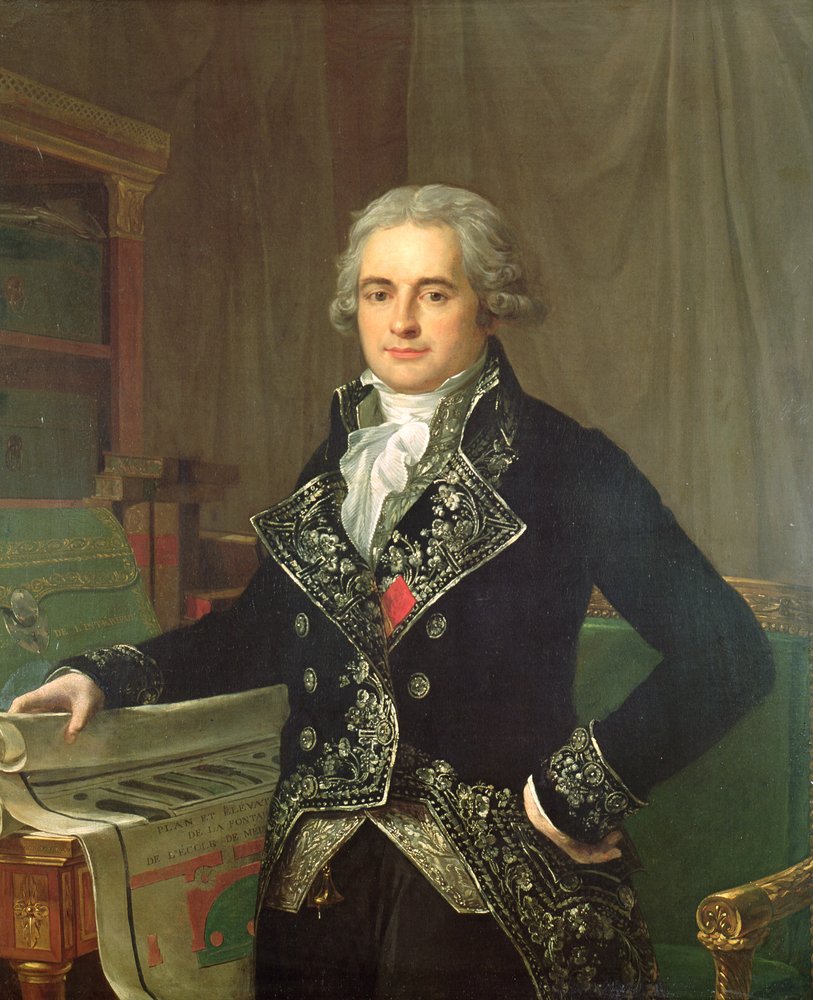
Jean-Antoine Chaptal, Count of Chanteloup
Chemist, industrialist, Minister of the Interior (1800–1804)
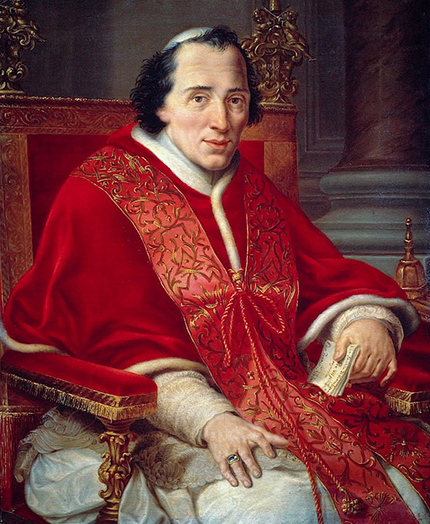
Pius VII
Pope, signatory of the Concordat, political hostage of Napoleon
Go further
Recommended books to dig deeper (affiliate links)

Napoleon the Great
Andrew Roberts · 2014
A monumental biography drawing on Napoleon’s 33,000 surviving letters, admiring but rigorous.
See on Amazon
Napoléon ou le mythe du sauveur
Jean Tulard · 1977
The book that reshaped how the man is read: how France gave itself a saviour, and what it cost.
See on Amazon
Nouvelle histoire du Premier Empire
Thierry Lentz · 2002-2010
Four reference volumes on institutions, diplomacy and collapse: the scholarly synthesis of the subject.
See on AmazonAs an Amazon Associate, this site earns from qualifying purchases.
Support the encyclopedia
Napoleon Empire is an independent project. Your contribution helps grow the content and keep the site running.
DonateSecure payment on the platform you choose.