Ten years of schism
The Civil Constitution of the Clergy of 1790 had split France into two churches, jurors against refractories; the dechristianisation of Year II closed the parishes and the Terror guillotined or deported thousands of priests. Bonaparte, a man without faith but with a keen sense of public order, wanted to defuse the religious divide feeding the Chouan insurgency: "A society without religion is like a ship without a compass."
Eight months of negotiation
Talks with Pius VII, opened in November 1800, lasted eight months and twenty-one drafts. The text signed on 15 July 1801 recognised Catholicism as "the religion of the great majority of French citizens" — not as a state religion. The First Consul appointed bishops, whom the pope canonically instituted; every incumbent, constitutional or refractory, had to resign. The clergy became salaried by the state and swore an oath; in exchange, Rome definitively renounced the sold church lands.
The Organic Articles
On promulgation in April 1802, the government unilaterally attached seventy-seven Organic Articles that Rome had never seen: control of seminaries, catechisms and processions, and prior government approval for every papal bull. Pius VII protested without breaking off.
The Concordat nonetheless outlived every regime: it governed religion in France until the separation of 1905, and remains in force in Alsace-Moselle.
See also
Go further
Recommended books to dig deeper (affiliate links)
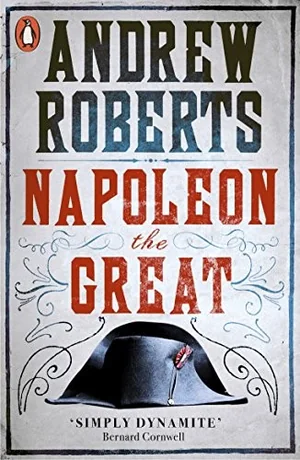
Napoleon the Great
Andrew Roberts · 2014
A monumental biography drawing on Napoleon’s 33,000 surviving letters, admiring but rigorous.
See on Amazon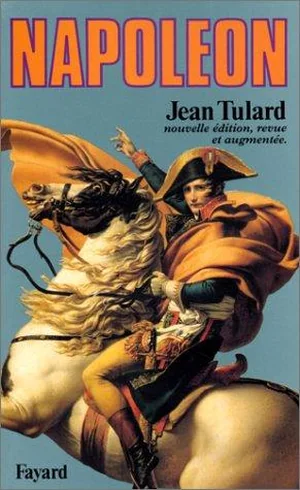
Napoléon ou le mythe du sauveur
Jean Tulard · 1977
The book that reshaped how the man is read: how France gave itself a saviour, and what it cost.
See on Amazon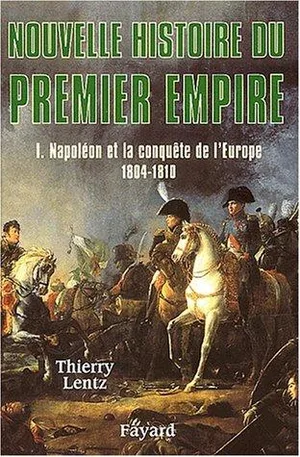
Nouvelle histoire du Premier Empire
Thierry Lentz · 2002-2010
Four reference volumes on institutions, diplomacy and collapse: the scholarly synthesis of the subject.
See on AmazonAs an Amazon Associate, this site earns from qualifying purchases.
Support the encyclopedia
Napoleon Empire is an independent project. Your contribution helps grow the content and keep the site running.
DonateSecure payment on the platform you choose.