A peace nobody believed in
After Lunéville, England stood isolated on the continent; the Addington ministry, weary of nine years of war, opened negotiations. Signed by Joseph Bonaparte and Lord Cornwallis, the treaty returned to France and its allies almost every conquered colony: the Cape to the Batavians, Martinique and Guadeloupe to France; London kept only Trinidad and Ceylon.
Clauses that bound no one
England was to evacuate Malta, France the kingdom of Naples and the Papal States. There was no commercial clause: Bonaparte refused to open the continental market to English manufactures, and the protective tariff stayed in force. The peace therefore left the real cause of the war untouched.
Fourteen months
Thousands of English visitors rushed to Paris to see the First Consul. But he annexed Piedmont, made himself president of the Italian Republic and sent Sébastiani to reconnoitre Egypt; London then refused to leave Malta. War resumed on 18 May 1803 and would not stop until 1814: Amiens remained the only complete break in twenty-two years of conflict.
See also
Go further
Recommended books to dig deeper (affiliate links)

Napoleon the Great
Andrew Roberts · 2014
A monumental biography drawing on Napoleon’s 33,000 surviving letters, admiring but rigorous.
See on Amazon
Napoléon ou le mythe du sauveur
Jean Tulard · 1977
The book that reshaped how the man is read: how France gave itself a saviour, and what it cost.
See on Amazon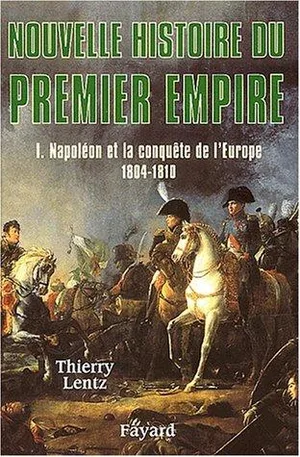
Nouvelle histoire du Premier Empire
Thierry Lentz · 2002-2010
Four reference volumes on institutions, diplomacy and collapse: the scholarly synthesis of the subject.
See on AmazonAs an Amazon Associate, this site earns from qualifying purchases.
Support the encyclopedia
Napoleon Empire is an independent project. Your contribution helps grow the content and keep the site running.
DonateSecure payment on the platform you choose.