The infernal machine and the Duke of Enghien
Two royalist attempts — the Rue Saint-Nicaise in 1800 and the Cadoudal-Pichegru conspiracy uncovered in February 1804 — supplied the decisive argument: as long as power rested on a single life, killing the man was enough to overturn the regime. The execution of the Duke of Enghien on 21 March closed the door on any Bourbon restoration and made heredity necessary for those who had voted the death of Louis XVI.
The senatus-consultum
On 28 Floréal Year XII the Senate entrusted "the government of the Republic to a hereditary emperor". The title chosen was neither king — too much Ancien Régime — nor dictator: emperor, a Roman and Carolingian reference compatible with republican vocabulary. Cambacérès greeted Napoleon I at Saint-Cloud the next day; the November plebiscite ratified heredity with more than three and a half million yes votes.
The same text created the great dignities of the Empire and restored the marshalate: eighteen appointments on 19 May founded a military hierarchy of the court.
A Republic fading out
The official formula long remained "French Republic — Napoleon Emperor": the coinage only lost the word Republic in 1808. The regime kept the prefects, the Concordat, the Civil Code, the franc and the sale of national lands — the consular architecture intact beneath a crown.
The coronation of 2 December at Notre-Dame would give this legal decision its liturgy, and David its image.
See also
Go further
Recommended books to dig deeper (affiliate links)
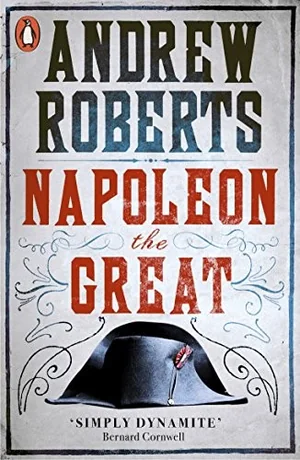
Napoleon the Great
Andrew Roberts · 2014
A monumental biography drawing on Napoleon’s 33,000 surviving letters, admiring but rigorous.
See on Amazon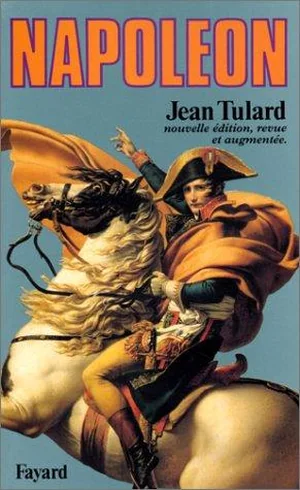
Napoléon ou le mythe du sauveur
Jean Tulard · 1977
The book that reshaped how the man is read: how France gave itself a saviour, and what it cost.
See on Amazon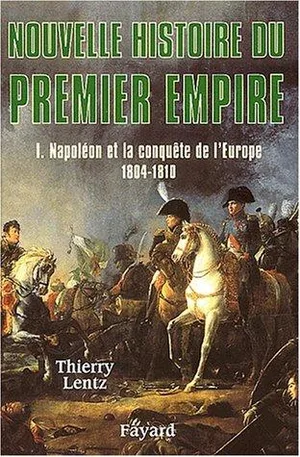
Nouvelle histoire du Premier Empire
Thierry Lentz · 2002-2010
Four reference volumes on institutions, diplomacy and collapse: the scholarly synthesis of the subject.
See on AmazonAs an Amazon Associate, this site earns from qualifying purchases.
Support the encyclopedia
Napoleon Empire is an independent project. Your contribution helps grow the content and keep the site running.
DonateSecure payment on the platform you choose.