What the bulletins were
Since the Italian campaign, the bulletin of the Grande Armée had been the regime's instrument of communication: written or dictated by Napoleon, published in the Moniteur, posted up and read from the pulpit, it told the war as the government wished it to be read. The phrase 'to lie like a bulletin' had long been current.
Since the entry into Moscow, French opinion had had no precise news. The city was known to be taken; of the rest, nothing. The twenty-ninth bulletin, written at Molodechno at the beginning of December 1812, appeared in the Moniteur on 16 December.
The admission
The text described the retreat, the loss of the horses, the breakdown of the columns, the death of men by the thousand. It attributed the disaster to the 'excessive cold' that set in from 7 November, without a word about Maloyaroslavets, the choice of the Smolensk road, or the five weeks spent in Moscow.
It closed on the sentence that became famous: 'His Majesty's health has never been better.' Two days later, during the night of 18 to 19 December, Napoleon was back in Paris.
The price of partial candour
It was the first time an official text had announced a French defeat. The effect was considerable: families learned from the press that an entire army had vanished, and the regime lost at a stroke the credit of its own communiqués.
The explanation by cold, repeated for two centuries, also fixed the legend. It conjures away the summer campaign, the losses to sickness and desertion before the first snows, and the political decision to push on to Moscow. The twenty-ninth bulletin is the document in which the regime ceased to be believed while continuing to be obeyed.
Go further
Recommended books to dig deeper (affiliate links)
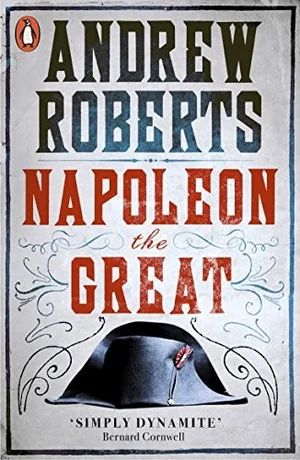
Napoleon the Great
Andrew Roberts · 2014
A monumental biography drawing on Napoleon’s 33,000 surviving letters, admiring but rigorous.
See on Amazon
Napoléon ou le mythe du sauveur
Jean Tulard · 1977
The book that reshaped how the man is read: how France gave itself a saviour, and what it cost.
See on Amazon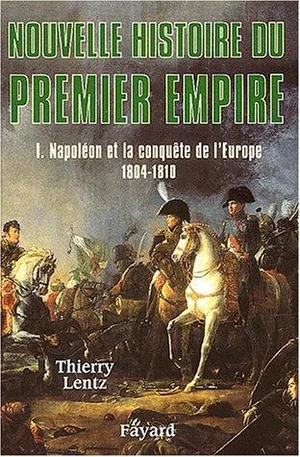
Nouvelle histoire du Premier Empire
Thierry Lentz · 2002-2010
Four reference volumes on institutions, diplomacy and collapse: the scholarly synthesis of the subject.
See on AmazonAs an Amazon Associate, this site earns from qualifying purchases.
Support the encyclopedia
Napoleon Empire is an independent project. Your contribution helps grow the content and keep the site running.
DonateSecure payment on the platform you choose.