The sea lost for ten years, forty kilometres from Cadiz. The cape is now a lighthouse in the middle of a nature reserve, with no museum or monument on the spot.
Historical context
The battle was fought at sea, some fifteen miles off Cape Trafalgar on the Atlantic coast of Andalusia. On 21 October 1805 Villeneuve's combined Franco-Spanish fleet, ordered out of Cadiz by express command from Paris, was cut into three by Nelson's two columns. Eighteen of thirty-three ships were taken or destroyed; a storm completed the disaster over the following days.
There is nothing to see on the spot itself: the battle took place on water. The cape carries an 1862 lighthouse, thirty-four metres high, planted on a sand spit between two beaches; the whole belongs to the La Breña nature park. People come for the wind and the sunset, and some of them do not know the name of what was decided offshore.
The consequences shaped ten years of policy. The plan to land in England, already abandoned in August, became unthinkable; the Royal Navy held the seas unchallenged, which made the Continental Blockade necessary — and then made Portugal, Spain and Russia necessary in turn. Nelson was killed aboard the Victory; Villeneuve, captured and released, killed himself at Rennes in April 1806.
Napoleon answered with silence. The Moniteur announced Austerlitz, won six weeks later, and did not dwell on Trafalgar. No French monument commemorates the day; in London it gave its name to the most central square in the city. The difference in treatment says clearly enough who won.
Go further
Recommended books to dig deeper (affiliate links)
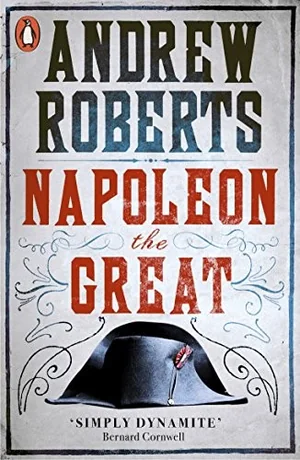
Napoleon the Great
Andrew Roberts · 2014
A monumental biography drawing on Napoleon’s 33,000 surviving letters, admiring but rigorous.
See on Amazon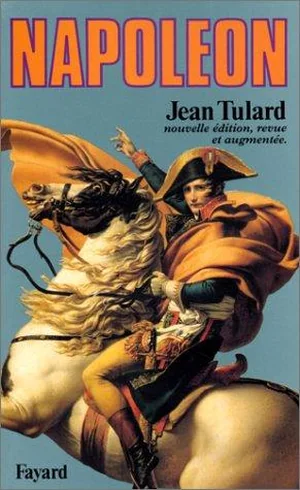
Napoléon ou le mythe du sauveur
Jean Tulard · 1977
The book that reshaped how the man is read: how France gave itself a saviour, and what it cost.
See on Amazon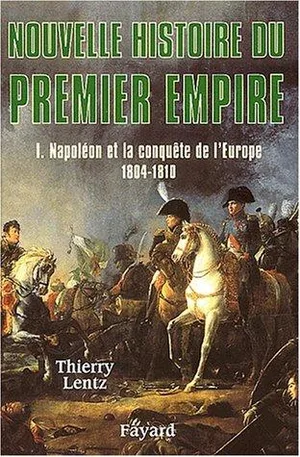
Nouvelle histoire du Premier Empire
Thierry Lentz · 2002-2010
Four reference volumes on institutions, diplomacy and collapse: the scholarly synthesis of the subject.
See on AmazonAs an Amazon Associate, this site earns from qualifying purchases.
Support the encyclopedia
Napoleon Empire is an independent project. Your contribution helps grow the content and keep the site running.
DonateSecure payment on the platform you choose.