Two months of siege, eight assaults, a siege train captured at sea and the plague: before Acre, Bonaparte failed for the first time. “Had Acre fallen, I would have changed the face of the world.”
Historical context
Acre commands the road to Damascus and the Syrian coast. It was held by Ahmed Djezzar, an Ottoman governor famed for cruelty, and above all supported from the sea: the British commodore Sidney Smith lay there with two ships and, at the very start of the siege, intercepted the vessels carrying the French heavy artillery along the coast.
That was the key to the failure. Deprived of its siege guns, the army had to open a breach with field pieces too weak for the task, while the town received food, ammunition and reinforcements by sea. The defence was moreover organised by Antoine Le Picard de Phélippeaux, an émigré officer and former fellow student of Bonaparte at Brienne and the École Militaire — one of the few men ever to beat him.
Eight assaults followed between 28 March and 10 May. The grenadiers reached the breach several times and were thrown back; Caffarelli and Bon died there, Lannes was wounded. Plague ran through the trenches. On 21 May the siege was raised and the army began a terrible retreat towards Egypt, in the heat, carrying its sick.
He kept a regret he voiced more than once: that hovel changed the destiny of the world. The reasoning assumes that with Acre taken and Syria risen, India would have become reachable. What is certain is more modest: it was the first military failure of a twenty-nine-year-old commander, and three months later he chose to return to France, where 18 Brumaire awaited him.
Go further
Recommended books to dig deeper (affiliate links)
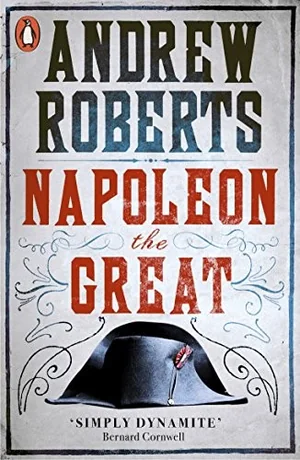
Napoleon the Great
Andrew Roberts · 2014
A monumental biography drawing on Napoleon’s 33,000 surviving letters, admiring but rigorous.
See on Amazon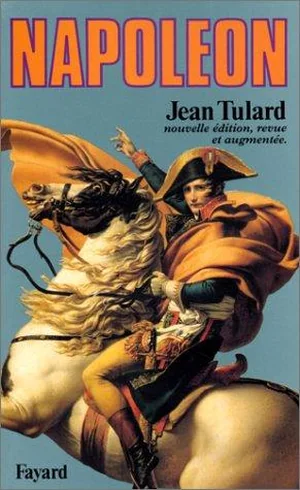
Napoléon ou le mythe du sauveur
Jean Tulard · 1977
The book that reshaped how the man is read: how France gave itself a saviour, and what it cost.
See on Amazon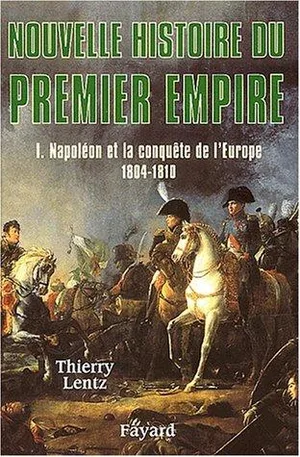
Nouvelle histoire du Premier Empire
Thierry Lentz · 2002-2010
Four reference volumes on institutions, diplomacy and collapse: the scholarly synthesis of the subject.
See on AmazonAs an Amazon Associate, this site earns from qualifying purchases.
Support the encyclopedia
Napoleon Empire is an independent project. Your contribution helps grow the content and keep the site running.
DonateSecure payment on the platform you choose.