The church of Saint-Pierre-Saint-Paul, the parish of the Malmaison estate, holds the tombs of Empress Joséphine and her daughter Hortense. It is the only imperial burial site left in France outside Les Invalides.
Historical context
Joséphine died at Malmaison on 29 May 1814 of pneumonia caught after a walk in the park. She was buried on 2 June in the nearby parish church, a few hundred metres from the house. The allied sovereigns occupying Paris sent representatives; the crowd was put at twenty thousand. The repudiated former Empress had kept a popularity the imperial court never enjoyed.
Her children Eugène and Hortense commissioned the tomb from the sculptor Pierre Cartellier. Completed in 1825, it shows her kneeling in the gown she wore at the coronation — the exact gesture of David's painting, transposed into white marble, with the plain inscription: "Eugène and Hortense to Joséphine".
Hortense, Queen of Holland and then an exile, died in 1837 at Arenenberg castle in Switzerland. Her son, the future Napoleon III, obtained permission to bring her back to Rueil: her tomb, by Lorenzo Bartolini, has faced her mother's since 1858. Once Emperor, Napoleon III funded the church's restoration and enlargement, and came regularly to pray there.
The place is best seen together with the château, ten minutes away on foot. The two tell the same story from opposite ends: the house where a woman reigned over a circle rather than an empire, and the church where her descendants insisted she remain, in a country that had done everything to erase her dynasty.
Go further
Recommended books to dig deeper (affiliate links)
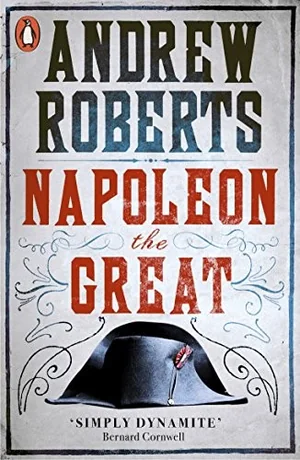
Napoleon the Great
Andrew Roberts · 2014
A monumental biography drawing on Napoleon’s 33,000 surviving letters, admiring but rigorous.
See on Amazon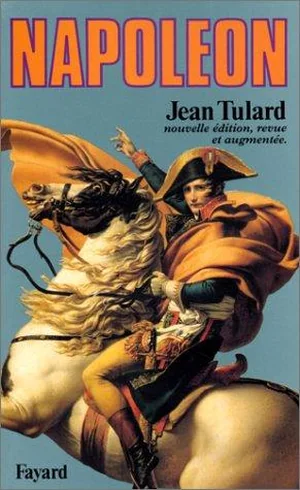
Napoléon ou le mythe du sauveur
Jean Tulard · 1977
The book that reshaped how the man is read: how France gave itself a saviour, and what it cost.
See on Amazon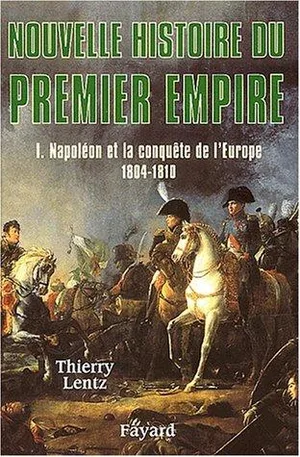
Nouvelle histoire du Premier Empire
Thierry Lentz · 2002-2010
Four reference volumes on institutions, diplomacy and collapse: the scholarly synthesis of the subject.
See on AmazonAs an Amazon Associate, this site earns from qualifying purchases.
Support the encyclopedia
Napoleon Empire is an independent project. Your contribution helps grow the content and keep the site running.
DonateSecure payment on the platform you choose.