Sugar becomes a state problem
Sugar came from the West Indies. The loss of Saint-Domingue, then the blockade and English command of the seas, had made it a scarce commodity: its price rose until it had multiplied fivefold, and coffee, indigo and cotton followed the same curve. The Trianon tariff, by taxing colonial produce heavily, put them finally out of reach.
The solution had long been known to chemists: Marggraf had identified sugar in beet in the middle of the eighteenth century, and Achard had been producing it industrially in Silesia since 1802. What remained was to move from the laboratory to the scale of an empire.
The decree of 25 March 1811
The text organised an entire industry by the will of the state. It ordered the sowing of thirty-two thousand hectares of beet, created six imperial schools of chemistry to train the technicians, and granted operating licences, exempt from duty, to some forty factories.
The refiner Benjamin Delessert perfected a workable extraction process at Passy. Napoleon came to visit his works at the beginning of 1812; the story goes that he unpinned his own cross of the Legion of Honour to give it to him. Delessert would be made a baron.
What remained
The peace of 1814 brought colonial sugar back and nearly killed the infant industry: most of the factories closed. It nonetheless started again, carried by improving yields and by customs protection, and in the nineteenth century France became one of the world's leading producers of beet sugar.
It is one of the few fruitful effects of the continental system. Forced to replace what it could no longer import, the Empire financed applied research and created an industry — the exact opposite of what the decrees of seizure produced.
Go further
Recommended books to dig deeper (affiliate links)
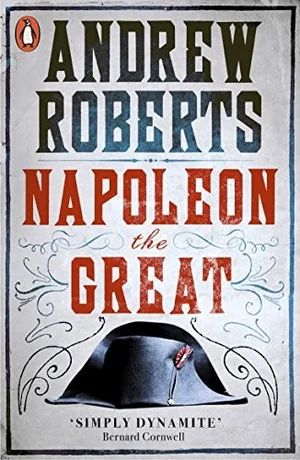
Napoleon the Great
Andrew Roberts · 2014
A monumental biography drawing on Napoleon’s 33,000 surviving letters, admiring but rigorous.
See on Amazon
Napoléon ou le mythe du sauveur
Jean Tulard · 1977
The book that reshaped how the man is read: how France gave itself a saviour, and what it cost.
See on Amazon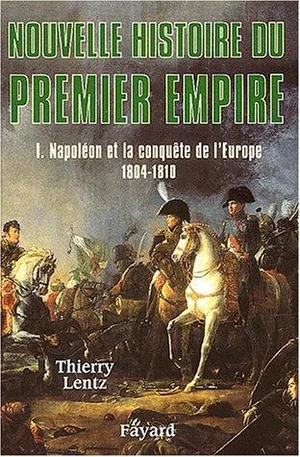
Nouvelle histoire du Premier Empire
Thierry Lentz · 2002-2010
Four reference volumes on institutions, diplomacy and collapse: the scholarly synthesis of the subject.
See on AmazonAs an Amazon Associate, this site earns from qualifying purchases.
Support the encyclopedia
Napoleon Empire is an independent project. Your contribution helps grow the content and keep the site running.
DonateSecure payment on the platform you choose.