A second lieutenant at sixteen in the La Fère artillery regiment, Bonaparte spent at Valence the months when he read everything and wrote a great deal. It is there that a Corsican officer began to think of himself as French.
Historical context
Leaving the École Militaire in Paris in September 1785, he joined the La Fère regiment in garrison at Valence in November. He was sixteen, on a thousand livres a year, with a family to support since his father's death. He lodged with a Mademoiselle Bou, above a café, in a room where he worked at night.
Garrison life left him a great deal of time. He read Rousseau, Raynal, Buffon, Plutarch, Mably, and copied out whole pages into notebooks that survive: a methodical autodidact more than a brilliant mind. He frequented the circle of Madame du Colombier, whose daughter Caroline inspired what he later called, with irony, an idyll of cherries eaten at dawn.
He also wrote: essays on love of country, notes on Corsica, a projected history of the island, and in 1791 competed for a prize of the Lyon academy on the truths to be taught for human happiness. The text, unsuccessful, mixes Rousseau with military rhetoric; he later judged it unworthy of preservation.
He returned to Valence in 1791 as a first lieutenant in the 4th artillery regiment and swore the constitutional oath. The Revolution opened to a poor officer a space the Ancien Régime had closed: in six years he would go from that provincial garrison to command of the Army of Italy.
Go further
Recommended books to dig deeper (affiliate links)
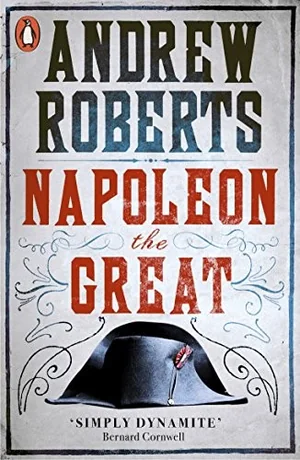
Napoleon the Great
Andrew Roberts · 2014
A monumental biography drawing on Napoleon’s 33,000 surviving letters, admiring but rigorous.
See on Amazon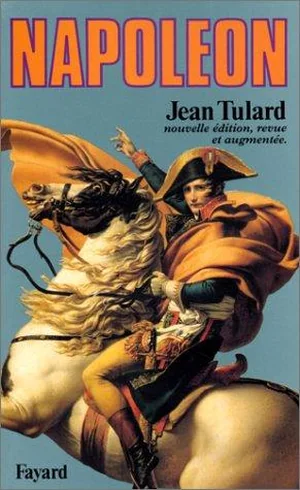
Napoléon ou le mythe du sauveur
Jean Tulard · 1977
The book that reshaped how the man is read: how France gave itself a saviour, and what it cost.
See on Amazon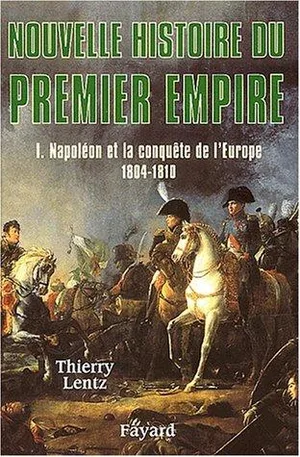
Nouvelle histoire du Premier Empire
Thierry Lentz · 2002-2010
Four reference volumes on institutions, diplomacy and collapse: the scholarly synthesis of the subject.
See on AmazonAs an Amazon Associate, this site earns from qualifying purchases.
Support the encyclopedia
Napoleon Empire is an independent project. Your contribution helps grow the content and keep the site running.
DonateSecure payment on the platform you choose.