The Count of Artois left Lyon without finding a single soldier to follow him. Napoleon entered on 10 March 1815 and signed there the decrees that gave the Hundred Days their revolutionary colour.
Historical context
France's second city was meant to be the lock. The Count of Artois, the king's brother, and Marshal Macdonald organised resistance there; they reviewed the troops, called for a cheer for the king, and got only silence. Artois left the city in the night of 9-10 March, escorted by a single cavalry officer willing to follow him.
Napoleon entered on the evening of 10 March, cheered by the silk workers and the suburbs. He stayed three days and governed: the Lyon decrees, dated 13 March, dissolved the Chambers, annulled Restoration appointments, abolished the restored old nobility, banished returned émigrés and ordered the confiscation of their property.
The tone was deliberate. The return presented itself as 1789's revenge on 1814: this is the moment when the Hundred Days sought popular support, lacking any among the elites. The contradiction would break out a month later with the Additional Act, a liberal text drafted by Benjamin Constant, which disappointed both camps at once.
Lyon had reasons to welcome him. The silk trade, collapsed under the Revolution, had been revived by orders from the imperial furniture service: palace hangings, court gowns, uniforms. Place Bellecour, razed in 1793 to punish the federalist revolt, had been rebuilt on the Consulate's orders. The city was giving back what it had been given.
Go further
Recommended books to dig deeper (affiliate links)

Napoleon the Great
Andrew Roberts · 2014
A monumental biography drawing on Napoleon’s 33,000 surviving letters, admiring but rigorous.
See on Amazon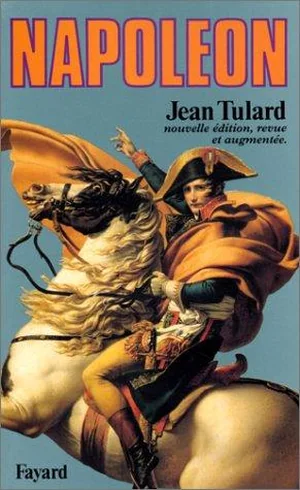
Napoléon ou le mythe du sauveur
Jean Tulard · 1977
The book that reshaped how the man is read: how France gave itself a saviour, and what it cost.
See on Amazon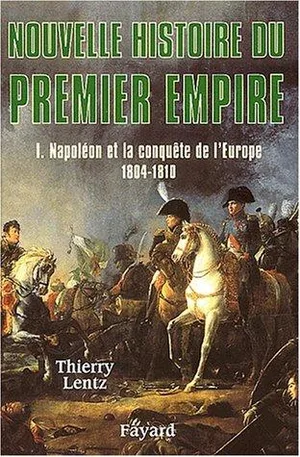
Nouvelle histoire du Premier Empire
Thierry Lentz · 2002-2010
Four reference volumes on institutions, diplomacy and collapse: the scholarly synthesis of the subject.
See on AmazonAs an Amazon Associate, this site earns from qualifying purchases.
Support the encyclopedia
Napoleon Empire is an independent project. Your contribution helps grow the content and keep the site running.
DonateSecure payment on the platform you choose.