Napoleon wanted to make Paris “something fabulous, colossal, unknown until our day”. He gave it bridges, water, street numbers and monuments of glory — without the time to finish.
Historical context
He discovered the city in 1784 as a cadet at the École Militaire, came back in 1795 an unemployed officer dining on credit, and moved in as master in 1800. In between he had seen Paris in insurrection, starving, Thermidorian. That experience fed an obsession of government: the capital must be supplied, lit, policed and embellished — in that order.
The utilitarian work lasted best. The Ourcq canal brought drinking water from 1808; in 1805 the streets received the odd-and-even numbering still in use; slaughterhouses, wine halls and markets took food out of the centre; cemeteries moved beyond the walls; four bridges were built, among them Austerlitz, Iéna and the Pont des Arts, the city's first iron bridge.
The monumental work is more visible and more unfinished. The Vendôme column was cast from the bronze of guns taken at Austerlitz; the Carrousel arch was completed in 1808, the Étoile arch barely begun; the Madeleine became a temple of Glory; the Bourse rose; the palace of the King of Rome, planned for Chaillot, never left the ground.
On 31 March 1814 the allies entered Paris and the city capitulated without a fight — something Napoleon never forgave. The capital he wanted fabulous had preferred to negotiate. What remains of him owes less to triumphal arches than to administrative acts: water, numbers, cemeteries, police. Haussmann would find the ground already prepared.
Go further
Recommended books to dig deeper (affiliate links)
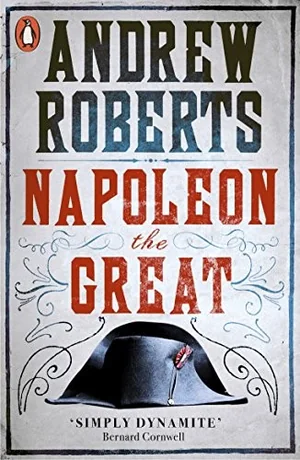
Napoleon the Great
Andrew Roberts · 2014
A monumental biography drawing on Napoleon’s 33,000 surviving letters, admiring but rigorous.
See on Amazon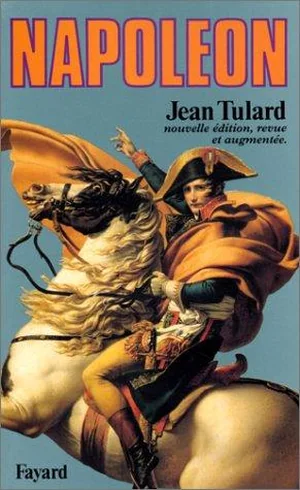
Napoléon ou le mythe du sauveur
Jean Tulard · 1977
The book that reshaped how the man is read: how France gave itself a saviour, and what it cost.
See on Amazon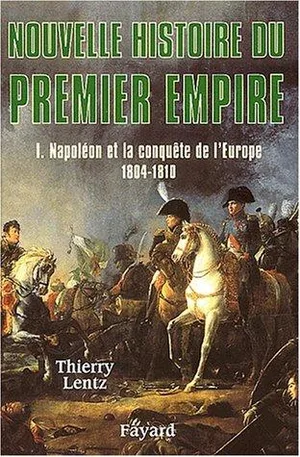
Nouvelle histoire du Premier Empire
Thierry Lentz · 2002-2010
Four reference volumes on institutions, diplomacy and collapse: the scholarly synthesis of the subject.
See on AmazonAs an Amazon Associate, this site earns from qualifying purchases.
Support the encyclopedia
Napoleon Empire is an independent project. Your contribution helps grow the content and keep the site running.
DonateSecure payment on the platform you choose.