At the confluence of the Seine and the Yonne, Napoleon laid the guns himself and threw his gunners the most famous line of 1814: the cannonball that will kill him has not yet been cast.
Historical context
February 1814: with an army of nineteen-year-old conscripts the troops called the Marie-Louises, Napoleon manoeuvred between two allied armies three times his size. In one week he beat Blücher at Champaubert, Montmirail, Château-Thierry and Vauchamps, then turned south against Schwarzenberg, who was coming up the Seine towards Paris.
On 18 February, Montereau and its bridge had to be taken to throw the Austrians and Württembergers back beyond the Yonne. The attack stalled on the heights of Surville; the artillery was shooting badly. He dismounted and corrected the laying of several guns himself under fire, like the captain he had been at Toulon twenty years earlier.
His gunners grew anxious at seeing him exposed. His answer, reported by several witnesses, is a sentence that became proverbial: go on, my friends, fear nothing, the ball that will kill me has not yet been cast. The bridge was taken that evening, the enemy thrown back, the road to Paris closed for a few more days.
Such is the paradox of the campaign of France: he never manoeuvred better, and was never closer to the end. Every victory cost men he could not replace, while the allies replaced theirs. Six weeks after Montereau, Paris capitulated. An equestrian statue, erected in 1867, still marks the height from which he laid his guns.
Go further
Recommended books to dig deeper (affiliate links)
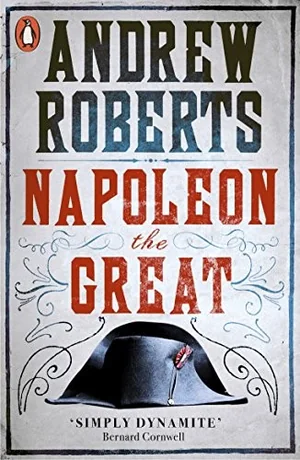
Napoleon the Great
Andrew Roberts · 2014
A monumental biography drawing on Napoleon’s 33,000 surviving letters, admiring but rigorous.
See on Amazon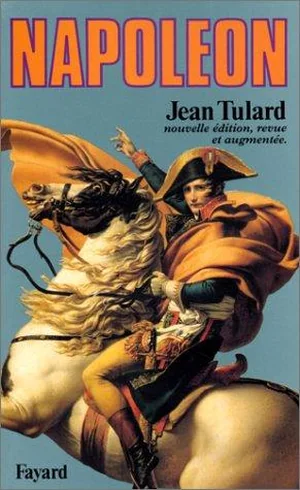
Napoléon ou le mythe du sauveur
Jean Tulard · 1977
The book that reshaped how the man is read: how France gave itself a saviour, and what it cost.
See on Amazon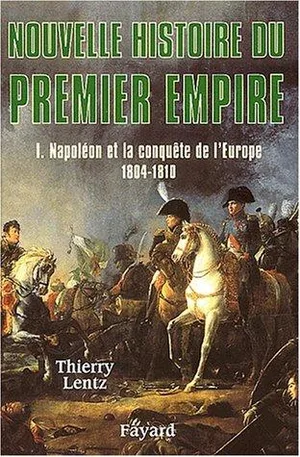
Nouvelle histoire du Premier Empire
Thierry Lentz · 2002-2010
Four reference volumes on institutions, diplomacy and collapse: the scholarly synthesis of the subject.
See on AmazonAs an Amazon Associate, this site earns from qualifying purchases.
Support the encyclopedia
Napoleon Empire is an independent project. Your contribution helps grow the content and keep the site running.
DonateSecure payment on the platform you choose.