A battle lost until five in the afternoon and won by six. The field is now an industrial suburb of Alessandria; the museum occupies the villa built to commemorate 14 June 1800.
Historical context
The site is a Piedmontese plain east of Alessandria, between the Bormida and the Tanaro. In 1800 it was a chequerboard of vines, ditches and farms; today it is Spinetta Marengo, a suburb crossed by the railway and lined with chemical works. Few Napoleonic battlefields have been so completely absorbed by industry.
What was built there is commemoration from the outset. Napoleon had a column and a pyramid raised on the spot the day after the victory; the Villa Delavo, built in the mid-nineteenth century by an enthusiast, now houses the battle museum, uniforms, weapons and a statue of the Emperor as Caesar. The field can no longer be read; the monument can.
The day of 14 June 1800 had begun very badly: surprised by Melas, the French had been falling back since morning and Bonaparte had scattered his forces. The return of Desaix's division in late afternoon and Kellermann the younger's charge reversed everything in an hour. Desaix was killed; the first bulletin would be rewritten three times to give the victory the look of a plan.
Politically everything depended on it. First Consul for only seven months, Bonaparte was staking at Marengo the legitimacy of the regime born of Brumaire. The name entered the language in several ways: the chicken Marengo improvised that same evening by his cook, the colour marengo grey, and the Emperor's favourite horse, ridden as far as Waterloo.
Go further
Recommended books to dig deeper (affiliate links)
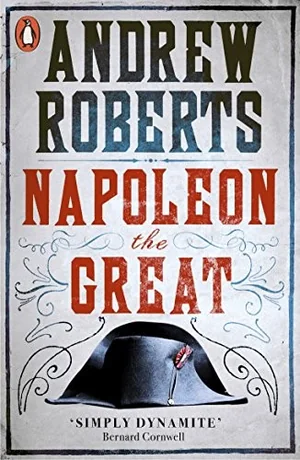
Napoleon the Great
Andrew Roberts · 2014
A monumental biography drawing on Napoleon’s 33,000 surviving letters, admiring but rigorous.
See on Amazon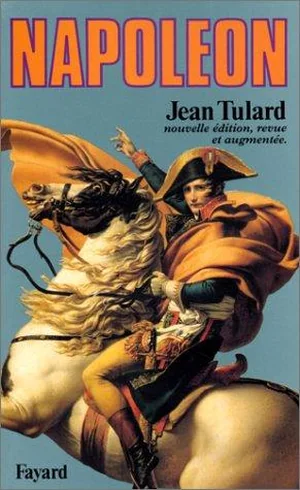
Napoléon ou le mythe du sauveur
Jean Tulard · 1977
The book that reshaped how the man is read: how France gave itself a saviour, and what it cost.
See on Amazon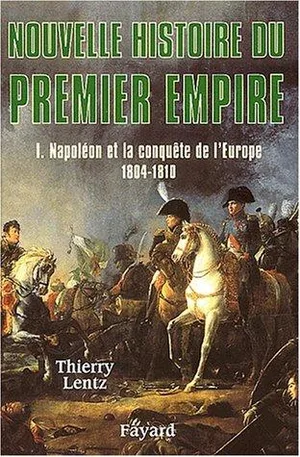
Nouvelle histoire du Premier Empire
Thierry Lentz · 2002-2010
Four reference volumes on institutions, diplomacy and collapse: the scholarly synthesis of the subject.
See on AmazonAs an Amazon Associate, this site earns from qualifying purchases.
Support the encyclopedia
Napoleon Empire is an independent project. Your contribution helps grow the content and keep the site running.
DonateSecure payment on the platform you choose.