A wooden bridge over the Adda, stormed under grapeshot by infantry columns. The bridge is gone; what remains of Lodi is the sentence in which Bonaparte dated the birth of his ambition.
Historical context
The site is a small Lombard town on the right bank of the Adda, thirty kilometres from Milan. It was the river crossing that made the event of 10 May 1796: the Austrians held the left bank with some thirty guns trained on the deck, and the French column crossed two hundred metres of bridge under grapeshot.
The wooden bridge is gone. The one crossed today is a modern structure on roughly the same spot; a plaque and a monument recall the day. The town has kept its old shape around the Piazza della Vittoria and the Romanesque cathedral, and the Adda still runs where it ran — which is about all the ground preserves.
What survived is of another order. It was here that the soldiers gave the twenty-six-year-old general the nickname of little corporal, and it is from Lodi that he would date, at Saint Helena, the moment he stopped thinking of himself as an executant: that evening, he said, he believed himself a superior man, and the idea came to him that he might become a decisive actor on the political stage.
Militarily the battle was secondary: the Austrian army withdrew in good order and the campaign's real outcome would be decided at Rivoli eight months later. Lodi counts for what it produced in one man's head and in his soldiers' — the first heroic account of his own legend, written by him, on the spot, in his bulletins.
Go further
Recommended books to dig deeper (affiliate links)
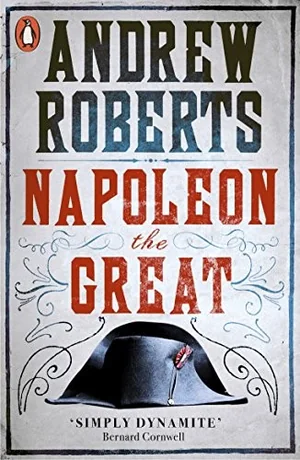
Napoleon the Great
Andrew Roberts · 2014
A monumental biography drawing on Napoleon’s 33,000 surviving letters, admiring but rigorous.
See on Amazon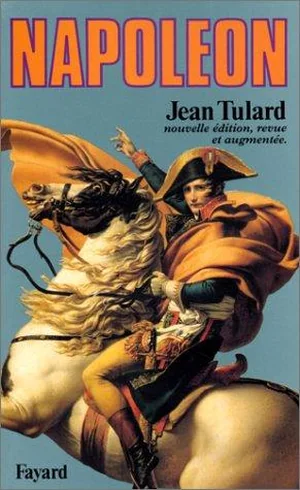
Napoléon ou le mythe du sauveur
Jean Tulard · 1977
The book that reshaped how the man is read: how France gave itself a saviour, and what it cost.
See on Amazon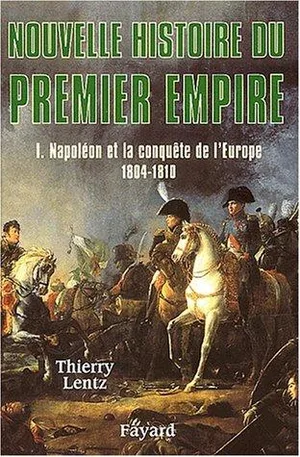
Nouvelle histoire du Premier Empire
Thierry Lentz · 2002-2010
Four reference volumes on institutions, diplomacy and collapse: the scholarly synthesis of the subject.
See on AmazonAs an Amazon Associate, this site earns from qualifying purchases.
Support the encyclopedia
Napoleon Empire is an independent project. Your contribution helps grow the content and keep the site running.
DonateSecure payment on the platform you choose.