Facing the battalion sent to stop him, Napoleon walked forward alone and opened his greatcoat. The 5th Line came over to him: the Hundred Days turned in a few minutes, without a shot.
Historical context
Landed at Golfe-Juan on 1 March 1815 with a thousand men, Napoleon had avoided the royalist Rhône valley and taken the Alpine road: Grasse, Digne, Sisteron, Gap. On 7 March, by the lake of Laffrey, on the plateau commanding the descent to Grenoble, the little column found the road blocked by a battalion of the 5th Line sent from the city to stop him.
There was no military way out: a thousand tired men against fresh troops in position. He ordered his grenadiers to carry arms under the left arm, muzzles down, and walked alone towards the muskets. The sentence, reported with variants by several witnesses, is one line: "If there is among you a soldier who wishes to kill his Emperor, here I am."
The officers shouted to fire, the soldiers hesitated, then shakos went up on bayonet points and the cry of "Vive l'Empereur!" drowned the orders. The whole battalion came over; Colonel La Bédoyère, arriving soon after with the 7th Line, did the same. That same evening Grenoble opened its gates.
Everything else followed: the royal army sent against him became his army, and he reached Paris on 20 March without firing a shot. An equestrian statue by Frémiet, erected in 1929, now marks the meadow. The place bears the exact name of what happened there: a meeting, not a battle.
Go further
Recommended books to dig deeper (affiliate links)
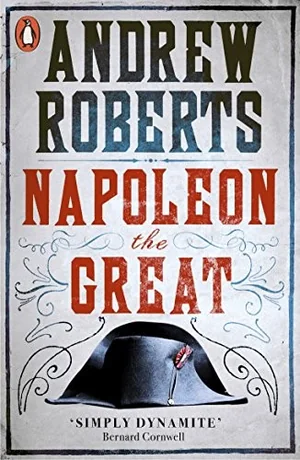
Napoleon the Great
Andrew Roberts · 2014
A monumental biography drawing on Napoleon’s 33,000 surviving letters, admiring but rigorous.
See on Amazon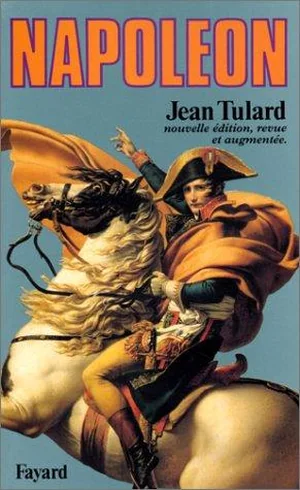
Napoléon ou le mythe du sauveur
Jean Tulard · 1977
The book that reshaped how the man is read: how France gave itself a saviour, and what it cost.
See on Amazon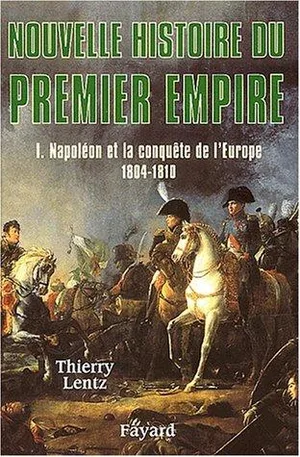
Nouvelle histoire du Premier Empire
Thierry Lentz · 2002-2010
Four reference volumes on institutions, diplomacy and collapse: the scholarly synthesis of the subject.
See on AmazonAs an Amazon Associate, this site earns from qualifying purchases.
Support the encyclopedia
Napoleon Empire is an independent project. Your contribution helps grow the content and keep the site running.
DonateSecure payment on the platform you choose.