Napoleon landed at Golfe-Juan on March 1, 1815 with about a thousand men. It marked the start of the Route Napoléon toward Grenoble and Paris.
Historical context
On 1 March 1815, around three in the afternoon, seven vessels anchored off the beach: the Inconstant leading, eleven hundred men aboard, including four hundred grenadiers of the Guard and a hundred Polish lancers. The landing met no resistance — the coast was unguarded — and the troops bivouacked that evening among the olive trees, while Cambronne, sent ahead with some thirty men, went to requisition food and horses at Cannes.
Everything then turned on the route. The Rhône valley was royalist, Marseille and Cannes hostile: rather than the main road he chose the mule tracks of the Alps by Grasse, Castellane and Digne, abandoning his artillery to move faster.
On 7 March, at the Laffrey defile, the 5th of the line barred the way. He walked forward alone within musket range, opened his greatcoat and delivered the line that settled everything; the battalion rallied. Grenoble opened its gates that same evening, Lyon on the 10th, Ney joined him at Auxerre on the 17th. On 20 March he slept at the Tuileries without a shot being fired.
A commemorative column marks the landing point today. The route, opened to traffic in 1932 as the Route Napoléon, links Golfe-Juan to Grenoble over three hundred and twenty-five kilometres, marked out by eagles with spread wings.
Go further
Recommended books to dig deeper (affiliate links)

Napoleon the Great
Andrew Roberts · 2014
A monumental biography drawing on Napoleon’s 33,000 surviving letters, admiring but rigorous.
See on Amazon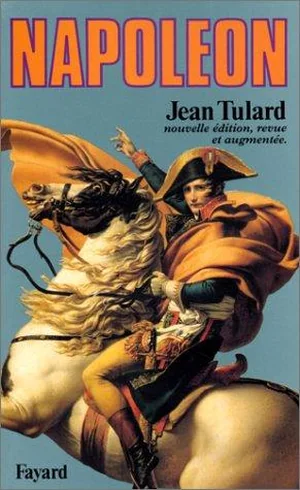
Napoléon ou le mythe du sauveur
Jean Tulard · 1977
The book that reshaped how the man is read: how France gave itself a saviour, and what it cost.
See on Amazon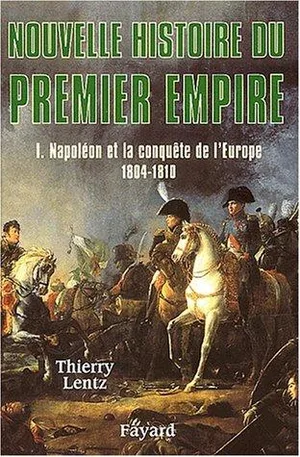
Nouvelle histoire du Premier Empire
Thierry Lentz · 2002-2010
Four reference volumes on institutions, diplomacy and collapse: the scholarly synthesis of the subject.
See on AmazonAs an Amazon Associate, this site earns from qualifying purchases.
Support the encyclopedia
Napoleon Empire is an independent project. Your contribution helps grow the content and keep the site running.
DonateSecure payment on the platform you choose.