In four days Jaffa produced the two opposite images of the same man: the execution of thousands of prisoners on the beach, and the visit to the plague patients that Gros would turn into an icon.
Historical context
The Syrian campaign began in February 1799: the aim was to forestall an Ottoman offensive and, in Bonaparte's mind, perhaps to open a road to India. El-Arish and Gaza fell; Jaffa, a fortified town held by a Turkish garrison, refused to surrender and beheaded the envoys sent to parley. It was stormed on 7 March and given over to pillage for two days.
Then came the problem of the prisoners: between two and a half and four thousand men, some of whom had already capitulated at El-Arish on a promise not to serve again. The army had no food, no escort, no means of sending them back. On 8, 9 and 10 March they were taken in groups to the beach and shot or bayoneted to save ammunition. The order came from Bonaparte; he never denied it.
Plague broke out almost at once in a town choked with corpses. On 11 March he visited the hospital set up in a convent and, according to several witnesses, touched or lifted a patient to show that contagion was not inevitable. The gesture was real; its rendering in paint was a political commission, executed by Gros in 1804 to erase, precisely, the memory of the executions.
On the return from Acre in May a second accusation arose: that opium had been administered to the plague victims who could not be moved. Bonaparte admitted putting the question to the physician Desgenettes, who is said to have refused. Historians and testimonies still differ on whether it was carried out. Jaffa remains the place where legend and evidence contradict each other most directly.
Go further
Recommended books to dig deeper (affiliate links)
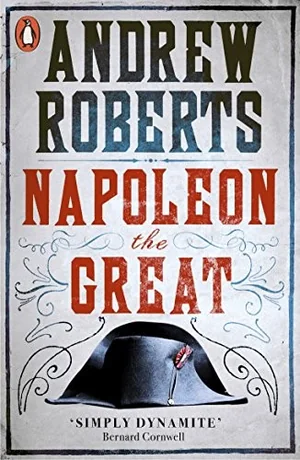
Napoleon the Great
Andrew Roberts · 2014
A monumental biography drawing on Napoleon’s 33,000 surviving letters, admiring but rigorous.
See on Amazon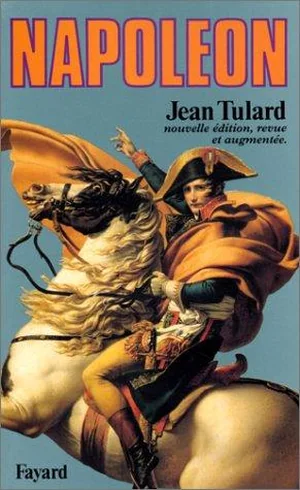
Napoléon ou le mythe du sauveur
Jean Tulard · 1977
The book that reshaped how the man is read: how France gave itself a saviour, and what it cost.
See on Amazon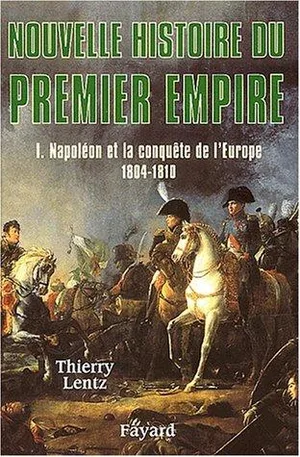
Nouvelle histoire du Premier Empire
Thierry Lentz · 2002-2010
Four reference volumes on institutions, diplomacy and collapse: the scholarly synthesis of the subject.
See on AmazonAs an Amazon Associate, this site earns from qualifying purchases.
Support the encyclopedia
Napoleon Empire is an independent project. Your contribution helps grow the content and keep the site running.
DonateSecure payment on the platform you choose.