Technically a successful operation: the army got across. In French, the word has become a synonym for disaster — and it names a ford in Belarus.
Historical context
At the end of November 1812 the retreat was trapped. Three Russian armies were converging, the bridge at Borisov had been destroyed, and the Berezina, which should have been frozen, was carrying ice. General Éblé, who had disobeyed the order to burn his pontoon train, had two trestle bridges built at Studienka upstream, in icy water where his men worked standing, in shifts.
The crossing lasted from 26 to 29 November. Formed units crossed in order; it was the stragglers, the wounded, the civilians and the women who piled up on the bank and waited. When the Russians opened fire on the crowd and the bridges were burned on the morning of the 29th, several thousand people remained on the far side. Éblé died a month later of exhaustion.
The place is now near Barysaw in Belarus, some seventy kilometres from Minsk. The bridge site at the village of Studzionka is marked by crosses and a memorial; excavations there have yielded remains, buttons and weapons. The landscape of forest and marsh has scarcely changed — one of the few places in the Russian campaign where one still sees what the soldiers saw.
The paradox lies in the word. The operation was a technical success: the army broke out of a complete encirclement and Napoleon saved what organised force remained. But the image of the bridges and the abandoned crowd covered everything: in French, a berezina has since meant a total rout, something no other battle of the Empire managed to do to a proper name.
Go further
Recommended books to dig deeper (affiliate links)
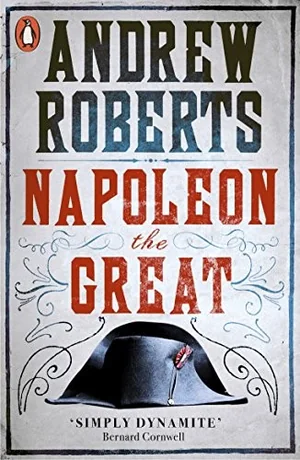
Napoleon the Great
Andrew Roberts · 2014
A monumental biography drawing on Napoleon’s 33,000 surviving letters, admiring but rigorous.
See on Amazon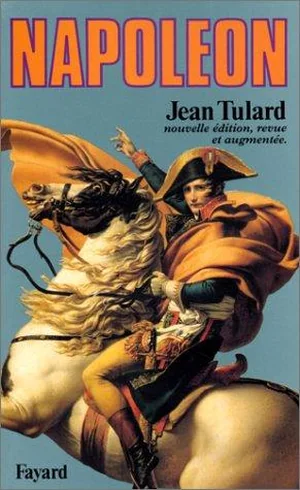
Napoléon ou le mythe du sauveur
Jean Tulard · 1977
The book that reshaped how the man is read: how France gave itself a saviour, and what it cost.
See on Amazon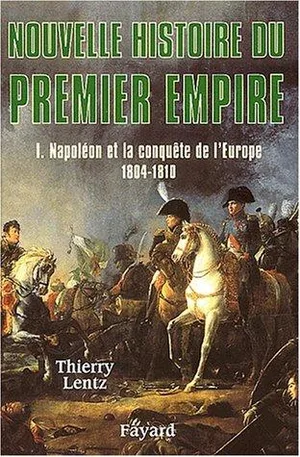
Nouvelle histoire du Premier Empire
Thierry Lentz · 2002-2010
Four reference volumes on institutions, diplomacy and collapse: the scholarly synthesis of the subject.
See on AmazonAs an Amazon Associate, this site earns from qualifying purchases.
Support the encyclopedia
Napoleon Empire is an independent project. Your contribution helps grow the content and keep the site running.
DonateSecure payment on the platform you choose.