At the school of application at Auxonne, under Baron du Teil, the young officer learned the field artillery he would use at Austerlitz. He lived there poor, ill, and worked twelve hours a day.
Historical context
He arrived in June 1788 at the small fortress on the Saône, seat of the artillery school of application. Its commander, Baron Jean-Pierre du Teil, brother of the author of The Use of the New Artillery, quickly singled out this eighteen-year-old lieutenant and entrusted him with work and memoranda usually reserved for senior officers.
What was taught there was the Gribeauval system: lighter guns, standardised, interchangeable, served by trained crews, able to follow the infantry and concentrate quickly. Crossed with Guibert's ideas on mobility and the division, this was exactly the tool Bonaparte would use at Toulon, then Lodi, then for the grand battery at Austerlitz.
Material life was hard. He lived on his pay, brought over his brother Louis whom he fed and taught himself, ate once a day and fell ill with persistent fevers. His Auxonne notebooks, which survive, mix ballistics, fortification, reading notes on ancient history and literary drafts: the mind of someone who files everything.
The Revolution came in through the window. In 1789 the garrison was used to contain grain riots in the region; he watched soldiers disobey and the authority of noble officers collapse. What the provinces showed him then he forgot no more than the firing tables.
Go further
Recommended books to dig deeper (affiliate links)

Napoleon the Great
Andrew Roberts · 2014
A monumental biography drawing on Napoleon’s 33,000 surviving letters, admiring but rigorous.
See on Amazon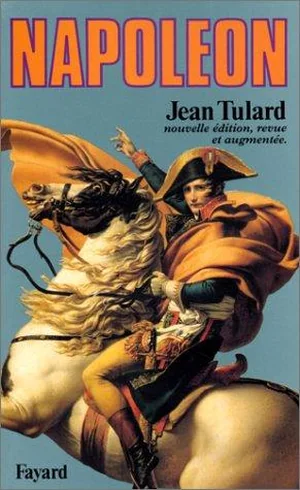
Napoléon ou le mythe du sauveur
Jean Tulard · 1977
The book that reshaped how the man is read: how France gave itself a saviour, and what it cost.
See on Amazon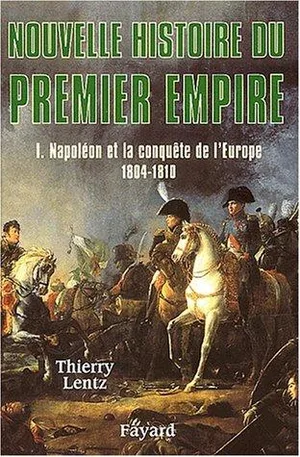
Nouvelle histoire du Premier Empire
Thierry Lentz · 2002-2010
Four reference volumes on institutions, diplomacy and collapse: the scholarly synthesis of the subject.
See on AmazonAs an Amazon Associate, this site earns from qualifying purchases.
Support the encyclopedia
Napoleon Empire is an independent project. Your contribution helps grow the content and keep the site running.
DonateSecure payment on the platform you choose.