Taking print back in hand
The Revolution had proclaimed freedom of the press; the Consulate had emptied it as early as 1800 by suppressing sixty of the seventy-three Paris newspapers. A grey area remained: books, pamphlets, provincial printers, which the police watched without being able to govern them.
The decree of 5 February 1810 filled the gap. It created a directorate-general of printing and the book trade, limited the number of authorised printers per department, subjected them to licence and oath, and instituted imperial censors charged with examining works before publication.
Four newspapers
The system tightened the following year: the Paris press was reduced to four titles, and each department was allowed only a single newspaper, under the prefect's supervision. Editorial offices lived on official communiqués and on the Moniteur, which they copied out.
Authors found this out for themselves. Madame de Staël's De l'Allemagne was pulped in 1810 and its author exiled; Chateaubriand's reception speech at the Académie française was forbidden to be read the following year. It was no longer only opposition that was censored: it was nuance.
A cog of the administration
What mattered was not the severity, of which the Ancien Régime had known the equivalent, but the form. Control of opinion ceased to be a police matter and became an ordinary administration, with its directorate, its budget, its agents and its procedures.
The result was paradoxical. A press that says nothing no longer informs, but no longer reassures either: when the twenty-ninth bulletin announced the disaster in Russia, the public had no means of gauging its scale, and believed the worst. The regime gone in 1814, prior censorship was abolished; it would return more than once in the course of the century.
Go further
Recommended books to dig deeper (affiliate links)
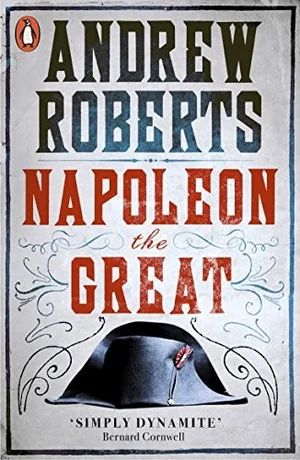
Napoleon the Great
Andrew Roberts · 2014
A monumental biography drawing on Napoleon’s 33,000 surviving letters, admiring but rigorous.
See on Amazon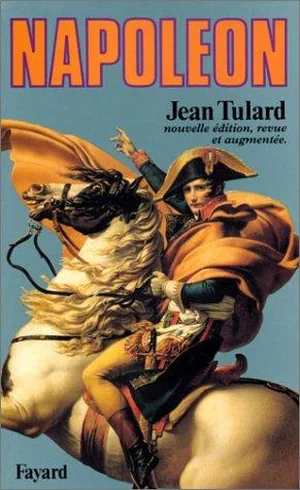
Napoléon ou le mythe du sauveur
Jean Tulard · 1977
The book that reshaped how the man is read: how France gave itself a saviour, and what it cost.
See on Amazon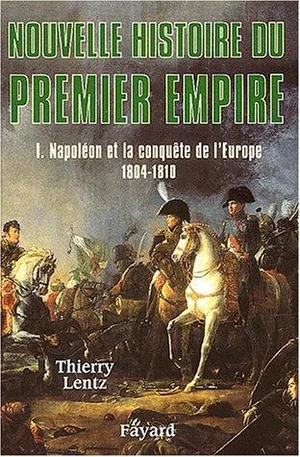
Nouvelle histoire du Premier Empire
Thierry Lentz · 2002-2010
Four reference volumes on institutions, diplomacy and collapse: the scholarly synthesis of the subject.
See on AmazonAs an Amazon Associate, this site earns from qualifying purchases.
Support the encyclopedia
Napoleon Empire is an independent project. Your contribution helps grow the content and keep the site running.
DonateSecure payment on the platform you choose.