Soult and Wellington fought four days after the abdication at Fontainebleau, without knowing it. Four thousand dead for a war already over.
Historical context
After six years of war in Spain, Wellington's army had crossed the Pyrenees and was moving north. Soult fell back on Toulouse, protected by the Garonne and the Canal du Midi, and entrenched on the heights of Calvinet, east of the city. On 10 April 1814, Easter Day, the British, Portuguese and Spanish attacked the redoubts.
The fighting was hard and cost the two sides nearly eight thousand men. Soult evacuated the city in the night of 11-12 April and withdrew towards Carcassonne; Wellington entered on the 12th, cheered by part of the population, which was royalist. That same day a courier finally brought the news: Napoleon had abdicated at Fontainebleau on 6 April, and the Empire had not existed for six days.
The battle should not have happened. Communications in 1814 took four to six days to cross France; the two generals fought in a complete information vacuum. Soult at first refused to believe it and signed the armistice only on 17 April, after verification.
The battlefield is now inside Toulouse: the Jolimont district and the observatory occupy the heights of Calvinet, turned into streets and blocks of flats. A commemorative obelisk stands in the quarter; a plaque recalls the fighting. The city has rather kept from 1814 the memory of its entry into peace than that of the Empire's last battle in France.
Go further
Recommended books to dig deeper (affiliate links)
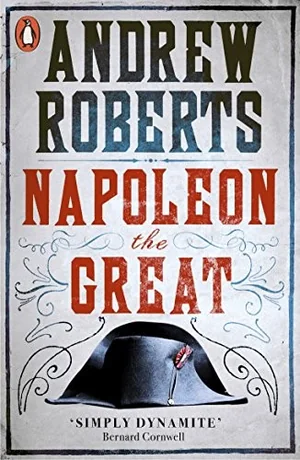
Napoleon the Great
Andrew Roberts · 2014
A monumental biography drawing on Napoleon’s 33,000 surviving letters, admiring but rigorous.
See on Amazon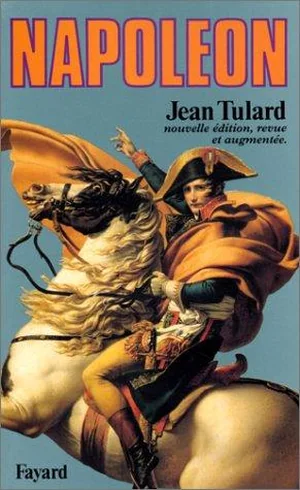
Napoléon ou le mythe du sauveur
Jean Tulard · 1977
The book that reshaped how the man is read: how France gave itself a saviour, and what it cost.
See on Amazon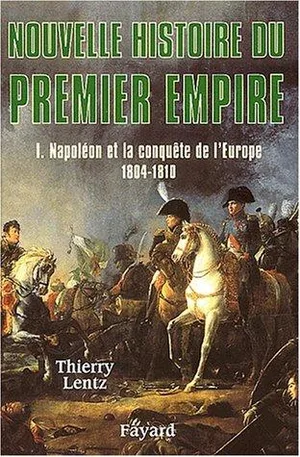
Nouvelle histoire du Premier Empire
Thierry Lentz · 2002-2010
Four reference volumes on institutions, diplomacy and collapse: the scholarly synthesis of the subject.
See on AmazonAs an Amazon Associate, this site earns from qualifying purchases.
Support the encyclopedia
Napoleon Empire is an independent project. Your contribution helps grow the content and keep the site running.
DonateSecure payment on the platform you choose.