Six hundred thousand men engaged in four days, the largest battle in Europe before 1914. The centenary raised there the tallest memorial on the continent: ninety-one metres of granite.
Historical context
From 16 to 19 October 1813 the plain south and east of Leipzig carried the most massive clash Europe had known before the Great War. French, Poles and Italians on one side; Russians, Prussians, Austrians and Swedes on the other, joined during the battle by the Saxon contingents changing sides under fire.
The retreat turned to disaster on the 19th: the single bridge over the Elster was blown too early by an engineer corporal, leaving twenty thousand men on the wrong bank. Marshal Poniatowski, promoted the day before, drowned trying to cross on horseback. The Empire lost Germany in four days.
The site is dominated today by the Völkerschlachtdenkmal, inaugurated in 1913 for the centenary: a mass of granite and concrete ninety-one metres high, with a crypt of stone warriors, a stair of five hundred steps and a view over the plain. It is the tallest memorial in Europe, and it says as much about the Germany of Wilhelm II as about 1813.
Around it, a museum, an annual re-enactment and a string of commemorative stones — the Apelsteine — mark the positions of the corps. The plain is largely built over, but the network of monuments still allows the days to be followed. With Waterloo, it is the best-equipped Napoleonic battlefield for a visit.
Go further
Recommended books to dig deeper (affiliate links)
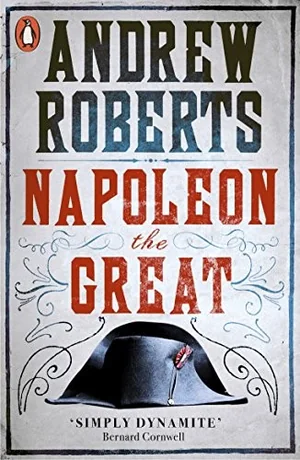
Napoleon the Great
Andrew Roberts · 2014
A monumental biography drawing on Napoleon’s 33,000 surviving letters, admiring but rigorous.
See on Amazon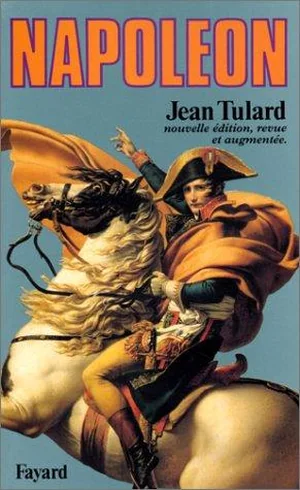
Napoléon ou le mythe du sauveur
Jean Tulard · 1977
The book that reshaped how the man is read: how France gave itself a saviour, and what it cost.
See on Amazon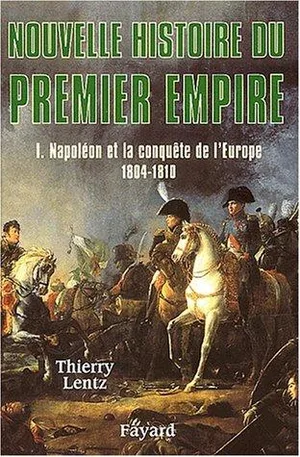
Nouvelle histoire du Premier Empire
Thierry Lentz · 2002-2010
Four reference volumes on institutions, diplomacy and collapse: the scholarly synthesis of the subject.
See on AmazonAs an Amazon Associate, this site earns from qualifying purchases.
Support the encyclopedia
Napoleon Empire is an independent project. Your contribution helps grow the content and keep the site running.
DonateSecure payment on the platform you choose.