A farm beside the Brussels highway, held all day by four hundred Germans in British service. It fell at six in the evening, out of ammunition.
Historical context
The position is easy to understand: the farm sits at the foot of the Mont-Saint-Jean plateau, just below the allied centre, astride the highway climbing to Brussels. Whoever holds it controls the road and prevents enemy infantry from approaching the plateau head-on. Wellington put there the 2nd Light Battalion of the King's German Legion under Major Baring: four hundred men.
They held for eight hours. The farm had not been put in a state of defence — the barn had lost its gate, loopholes were lacking — and requests for ammunition went unanswered, the legion's Baker rifles using a different calibre from the British muskets. Around six in the evening, the last cartridges gone, the survivors withdrew at bayonet point; forty-two were left.
The fall of La Haye Sainte was the most dangerous moment of the day for Wellington. French artillery immediately set up batteries less than three hundred metres from the allied centre and began demolishing it at close range. What saved the line was the hour: the Prussians were already at Plancenoit and the Guard would attack too late.
The farm is still there, beside the N5, more or less as it was in 1815 with its courtyard and well. It is privately owned and cannot be visited: you drive past it, between the Lion of Waterloo and the crossroads, and it is one of the few buildings on the battlefield not turned into a museum.
Go further
Recommended books to dig deeper (affiliate links)
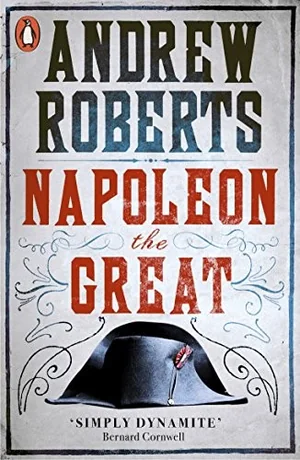
Napoleon the Great
Andrew Roberts · 2014
A monumental biography drawing on Napoleon’s 33,000 surviving letters, admiring but rigorous.
See on Amazon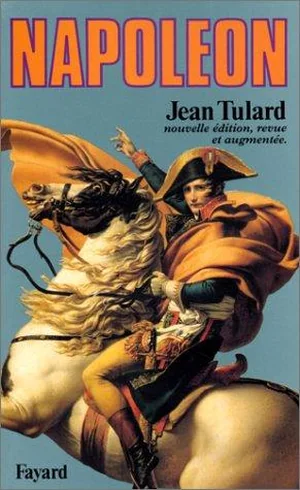
Napoléon ou le mythe du sauveur
Jean Tulard · 1977
The book that reshaped how the man is read: how France gave itself a saviour, and what it cost.
See on Amazon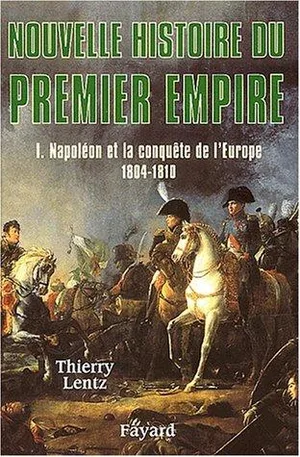
Nouvelle histoire du Premier Empire
Thierry Lentz · 2002-2010
Four reference volumes on institutions, diplomacy and collapse: the scholarly synthesis of the subject.
See on AmazonAs an Amazon Associate, this site earns from qualifying purchases.
Support the encyclopedia
Napoleon Empire is an independent project. Your contribution helps grow the content and keep the site running.
DonateSecure payment on the platform you choose.