An imperial army capitulated in the open field before Spanish troops. The news went round Europe in three weeks and changed the calculations of every cabinet.
Historical context
General Dupont, sent to occupy Andalusia, had let himself be shut into the Guadalquivir valley with twenty thousand men, a column weighed down by loot taken at Córdoba, and crushing July heat. From 16 to 19 July 1808 Castaños's Spanish army cut his road to Madrid around the village of Bailén, in eastern Andalusia.
On 22 July Dupont signed a capitulation surrendering his entire corps. It was unprecedented: since 1796 no imperial force had surrendered in the open field. The terms were not honoured and most of the prisoners ended on the hulks of Cadiz or on the island of Cabrera, where thousands died of hunger.
The effects went far beyond Spain. Joseph, king for three weeks, left Madrid; Austria, which had been hesitating, decided to attack and would launch the war of 1809; German patriots drew from it the demonstration they were looking for. Napoleon had Dupont tried, stripped him of his titles and imprisoned him until 1814.
Bailén today is a small town in the province of Jaén, on the Andalusian road, known for its ceramics. A battle museum, a monument on the field and an annual commemoration keep the memory alive — far more vividly in Spain, where the day ranks high in the national narrative of the war of independence, than in France, where it is almost unknown.
Go further
Recommended books to dig deeper (affiliate links)
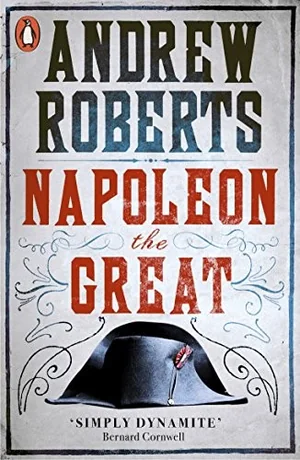
Napoleon the Great
Andrew Roberts · 2014
A monumental biography drawing on Napoleon’s 33,000 surviving letters, admiring but rigorous.
See on Amazon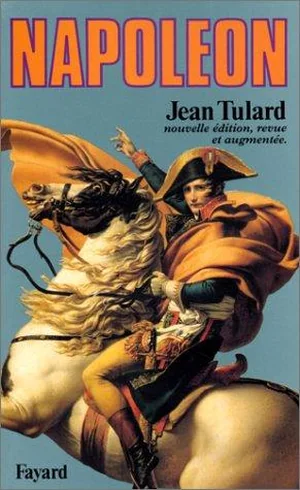
Napoléon ou le mythe du sauveur
Jean Tulard · 1977
The book that reshaped how the man is read: how France gave itself a saviour, and what it cost.
See on Amazon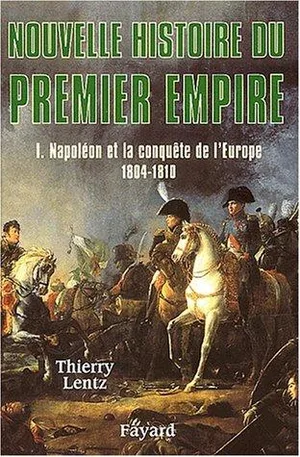
Nouvelle histoire du Premier Empire
Thierry Lentz · 2002-2010
Four reference volumes on institutions, diplomacy and collapse: the scholarly synthesis of the subject.
See on AmazonAs an Amazon Associate, this site earns from qualifying purchases.
Support the encyclopedia
Napoleon Empire is an independent project. Your contribution helps grow the content and keep the site running.
DonateSecure payment on the platform you choose.