In January 1779 a nine-year-old boy who spoke only Italian entered the college of Autun. Four months later he came out able to follow lessons in French — the condition for entering Brienne.
Historical context
On 1 January 1779 Charles Bonaparte left Corsica with his two eldest sons and set them down at Autun. The roles had long been assigned: Joseph, the eldest, would go to the Church; Napoleon, the second, to arms. Their father had obtained from the governor of Corsica and the bishop of Autun the backing needed to turn a recently recognised Corsican nobility into royal scholarships.
The immediate problem was language. The boy spoke Corsican and a little Italian; the military school at Brienne required French. He was given a private tutor, the abbé Chardon, who would note a pupil of quick intelligence but closed, touchy, unable to play with others. In three months he learned enough to be admitted.
The accent never left him. His Brienne schoolfellows would nickname him la paille au nez, a mocking distortion of Napoleone; at Saint Helena he still rolled his r's. Command of written French came later, through reading and copying — his handwriting stayed famous for its illegibility and his spelling for its approximations.
He left Autun on 21 April 1779 for Brienne, leaving Joseph behind. The town holds another place in imperial history: nine years later a certain Charles-Maurice de Talleyrand-Périgord became its bishop, a post he held just long enough to be elected to the Estates General.
Go further
Recommended books to dig deeper (affiliate links)
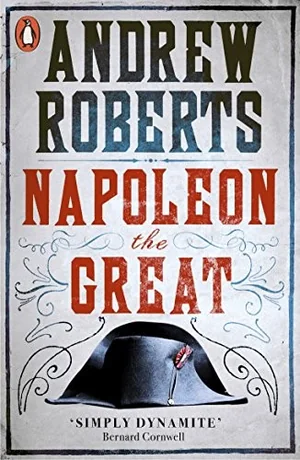
Napoleon the Great
Andrew Roberts · 2014
A monumental biography drawing on Napoleon’s 33,000 surviving letters, admiring but rigorous.
See on Amazon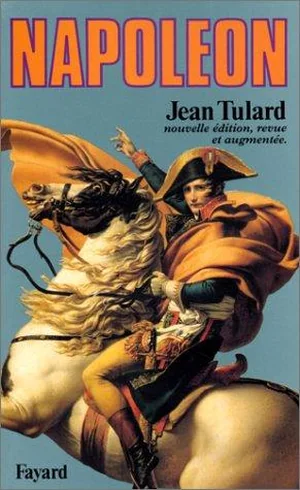
Napoléon ou le mythe du sauveur
Jean Tulard · 1977
The book that reshaped how the man is read: how France gave itself a saviour, and what it cost.
See on Amazon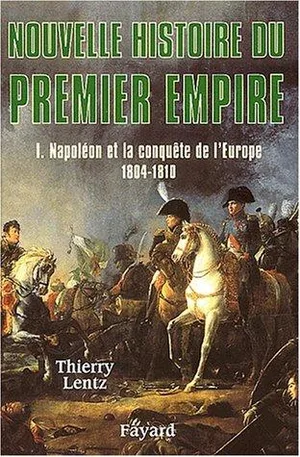
Nouvelle histoire du Premier Empire
Thierry Lentz · 2002-2010
Four reference volumes on institutions, diplomacy and collapse: the scholarly synthesis of the subject.
See on AmazonAs an Amazon Associate, this site earns from qualifying purchases.
Support the encyclopedia
Napoleon Empire is an independent project. Your contribution helps grow the content and keep the site running.
DonateSecure payment on the platform you choose.