Three days of fighting in marshland, in November 1796. The marshes have been drained and the bridge rebuilt: all that remains on the spot is the monument to an image painted in Paris.
Historical context
The ground explained everything. Between the Adige and the Alpone, east of Verona, there stretched in 1796 a marsh cut by narrow dykes where infantry could advance only in column, unable to deploy. The bridge of Arcole commanded one of those causeways; it was that bottleneck, not a feat of arms, that made the fighting last from 15 to 17 November.
That ground no longer exists. The marshes were drained in the nineteenth century and the plain is now ordinary farmland in the province of Verona, gridded with canals and roads. The present bridge is not the one of 1796. A monument and a local museum recall the episode; it takes an effort of reconstruction to understand why three days were needed.
The scene with the flag belongs less to the place than to the studio. Bonaparte did seize a colour to lead his men onto the dyke, and he ended in the ditch, pulled out of the mud by his grenadiers. But the image that crossed two centuries is Antoine-Jean Gros's, painted in Milan a few months later at Joséphine's request: a bust, a gaze, a flag — not a marsh.
It is the first example of a mechanism the Empire would perfect. The fact is modest, the story immense, and the story precedes the history: Arcole enters French memory through a painting, not through a battlefield. The place itself has almost nothing to show, which is in itself a lesson in the manufacture of glory.
Go further
Recommended books to dig deeper (affiliate links)
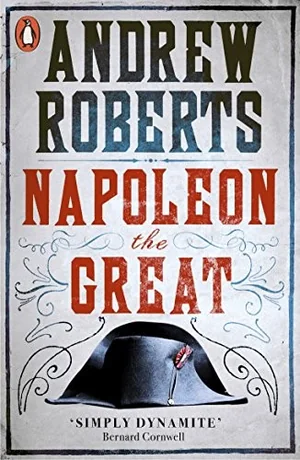
Napoleon the Great
Andrew Roberts · 2014
A monumental biography drawing on Napoleon’s 33,000 surviving letters, admiring but rigorous.
See on Amazon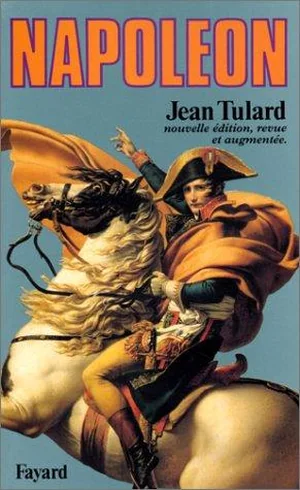
Napoléon ou le mythe du sauveur
Jean Tulard · 1977
The book that reshaped how the man is read: how France gave itself a saviour, and what it cost.
See on Amazon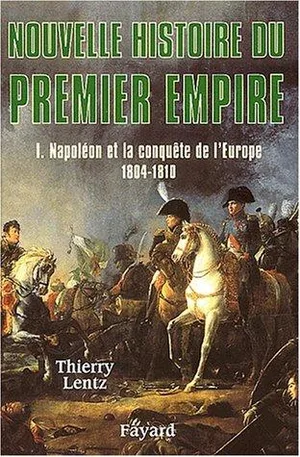
Nouvelle histoire du Premier Empire
Thierry Lentz · 2002-2010
Four reference volumes on institutions, diplomacy and collapse: the scholarly synthesis of the subject.
See on AmazonAs an Amazon Associate, this site earns from qualifying purchases.
Support the encyclopedia
Napoleon Empire is an independent project. Your contribution helps grow the content and keep the site running.
DonateSecure payment on the platform you choose.