While waiting for Longwood, Napoleon lodged in the pavilion of an English merchant and befriended his thirteen-year-old daughter. The pavilion was given to France in 1959.
Historical context
Landed at Jamestown on 17 October 1815, he refused to sleep in the town, where crowds had gathered to see him. Riding inland, he caught sight of a terraced garden on the flank of a ravine, with pomegranates and roses: the property of William Balcombe, an East India Company agent. He asked to stay in the garden pavilion rather than in an official house.
He remained there from 18 October to 10 December 1815, in two rudimentary rooms, while Longwood was being fitted out. Those two months were the least unhappy of the exile. The younger Balcombe daughter, Betsy, thirteen, spoke a little French, was not afraid of him and teased him; he played along, played cards and blind man's buff, let her hide his sword. She published her recollections in 1844.
The Balcombes paid for that familiarity. Suspected by Hudson Lowe of acting as an intermediary, William Balcombe was expelled from the island with his family in 1818. Betsy ended her life in Australia, where a town bears the name of the property.
The main house burned in the nineteenth century, but the garden pavilion survives. In 1959 the Balcombe-Dallas family gave it to France; it is now managed, like Longwood and the Valley of the Tomb, by the French consul on Saint Helena, and houses a small museum. It is the third and most discreet of the French properties on the island.
Go further
Recommended books to dig deeper (affiliate links)
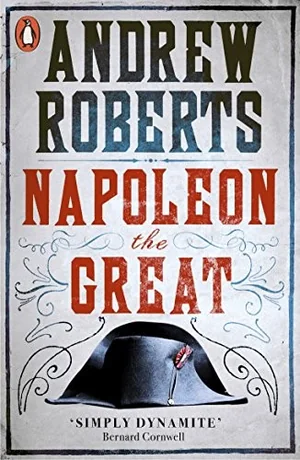
Napoleon the Great
Andrew Roberts · 2014
A monumental biography drawing on Napoleon’s 33,000 surviving letters, admiring but rigorous.
See on Amazon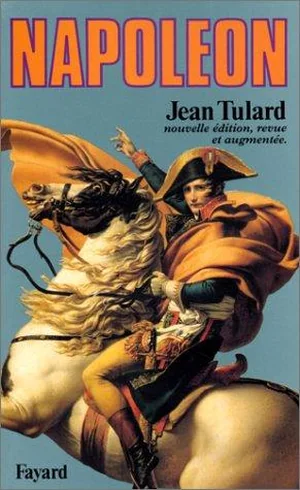
Napoléon ou le mythe du sauveur
Jean Tulard · 1977
The book that reshaped how the man is read: how France gave itself a saviour, and what it cost.
See on Amazon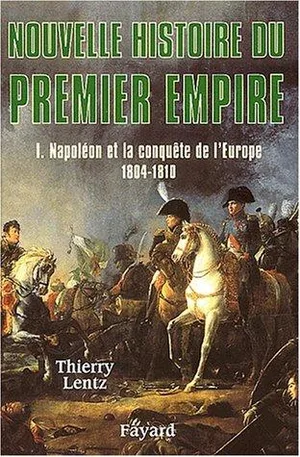
Nouvelle histoire du Premier Empire
Thierry Lentz · 2002-2010
Four reference volumes on institutions, diplomacy and collapse: the scholarly synthesis of the subject.
See on AmazonAs an Amazon Associate, this site earns from qualifying purchases.
Support the encyclopedia
Napoleon Empire is an independent project. Your contribution helps grow the content and keep the site running.
DonateSecure payment on the platform you choose.